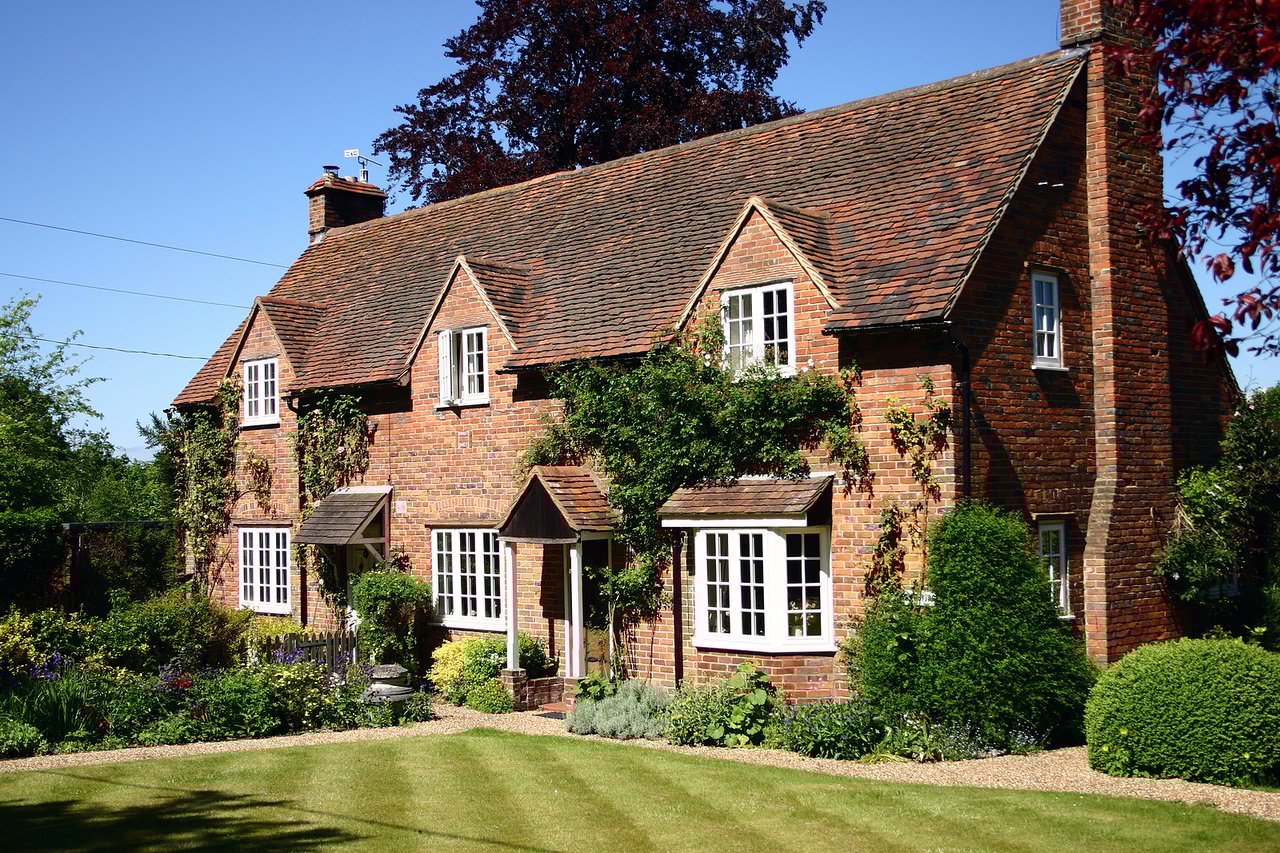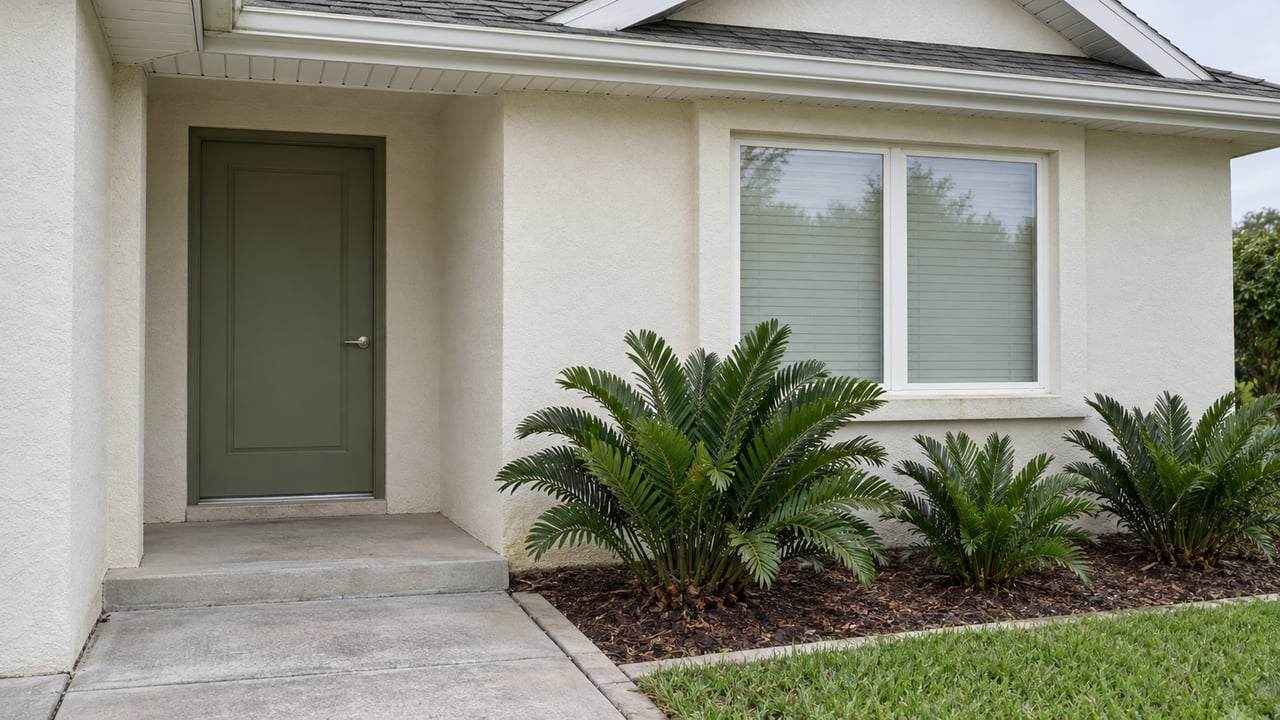
In the pursuit of timeless charm and cozy living spaces, cottage-style architecture offers a delightful blend of comfort, warmth, and elegance. Embracing the quaint aesthetics of rural homes, cottage-style architecture evokes a sense of nostalgia while providing modern comforts. Here’s a comprehensive guide on how to bring the essence of a cottage-style home into your abode.
Defining Cottage Style
Cottage style explores a cozy, charming aesthetic that invites you to kick off your shoes and stay awhile. Rooted in cottage history, this style echoes a simpler time, blending comfort with rustic elements. It’s not just about the look; it’s about creating a feeling of warmth and welcome.
As you investigate cottage history, you’ll find its beginnings are humble, originating from the quaint dwellings of rural England. These homes were traditionally built for agricultural workers, their small, practical designs emphasizing efficiency and simplicity. Yet, what they lacked in size, they made up for in character.

Throughout the years, the style’s evolution has embraced these foundational elements, adapting to include a mix of vintage and shabby chic influences that add layers of personality. Think whitewashed walls, exposed beams, and a mishmash of patterns and textures that somehow work together harmoniously.
The evolution of cottage style reflects a shift towards valuing comfort and authenticity in home design. It’s a reminder that beauty often lies in simplicity and that creating a welcoming space is about weaving together history, personality, and a touch of whimsy.
Choosing the Right Location
After exploring the charm of cottage style, it’s time to contemplate where your dream home will take root. Choosing the right location is as important as the design itself, as it influences not just the lifestyle you’ll lead but also the feasibility and legalities surrounding your dream home’s construction.
Before you get lost in the picturesque visions of your future cottage, consider the following:
- Zoning Regulations: Every area has its own set of rules determining what can be built and where. It’s important to understand these local zoning regulations to make sure your cottage meets them. This step can save you from potential legal headaches and help streamline the building process.
- Market Trends: Keeping an eye on the real estate market trends in your desired location can offer insights into the best times to buy. It can also alert you to emerging areas that might offer the perfect backdrop for your cottage home without breaking the bank.
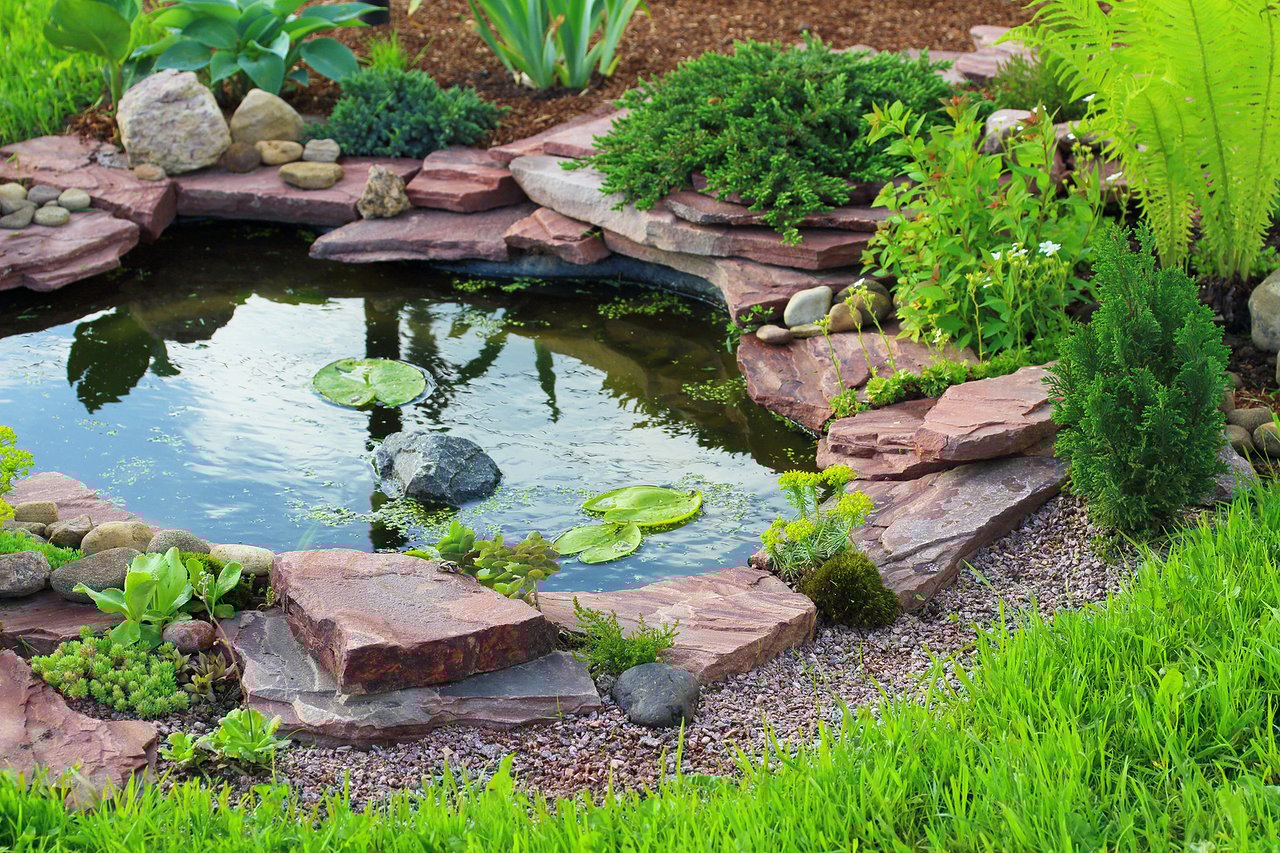
- Natural Surroundings: Imagine waking up to a gentle breeze, a serene lake view, or amidst a lush forest. The right location doesn’t just comply with regulations and make financial sense; it also captures the essence of cottage living by harmonizing with nature.
Planning Your Layout
Once you’ve identified the perfect location, it’s time to immerse yourself in planning the layout of your dream cottage home. Room size and traffic flow are important factors to think about to make sure your cottage isn’t just beautiful but also functional.
You’ll want to start by sketching a preliminary floor plan that thoughtfully allocates space to each room according to your lifestyle. Remember, it’s not just about the square footage but how each room connects to the others.
When you’re contemplating room sizing, think about the purpose of each space. Your living room might need to be spacious for entertaining, while bedrooms could be cozier for a more intimate feel. It’s all about balancing your needs with the cottage charm you’re aiming for.
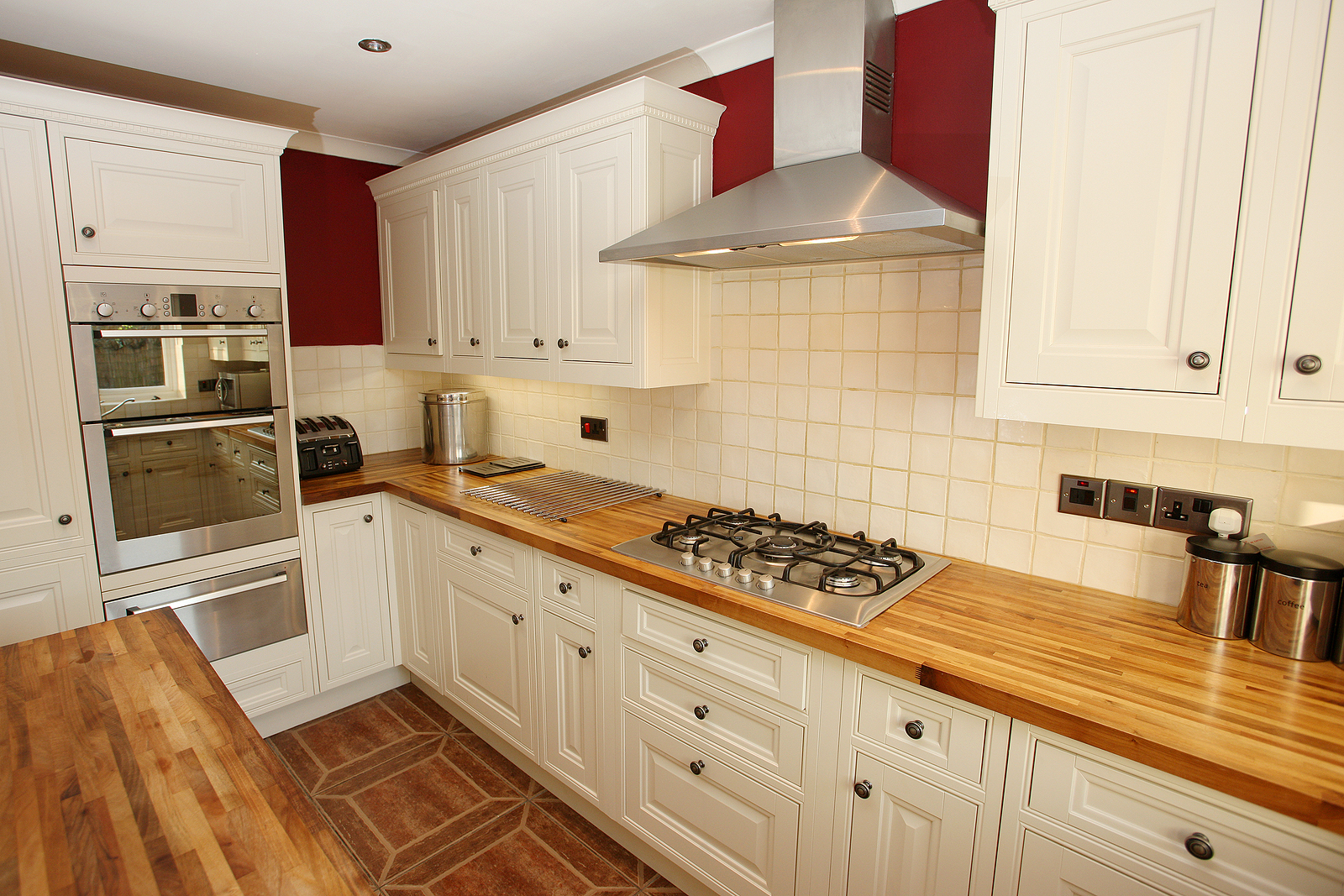
Traffic flow is another critical aspect. You’ll want to ensure a natural movement throughout the house, with no awkward crossings or bottlenecks. Plan the layout so that frequently used rooms are easily accessible, encouraging a smooth progression from one space to another.
This planning stage is your chance to meld functionality with the quaint, cozy aesthetics of cottage living, setting the stage for a home that’s as comfortable as it’s charming.
Designing Cozy Interiors
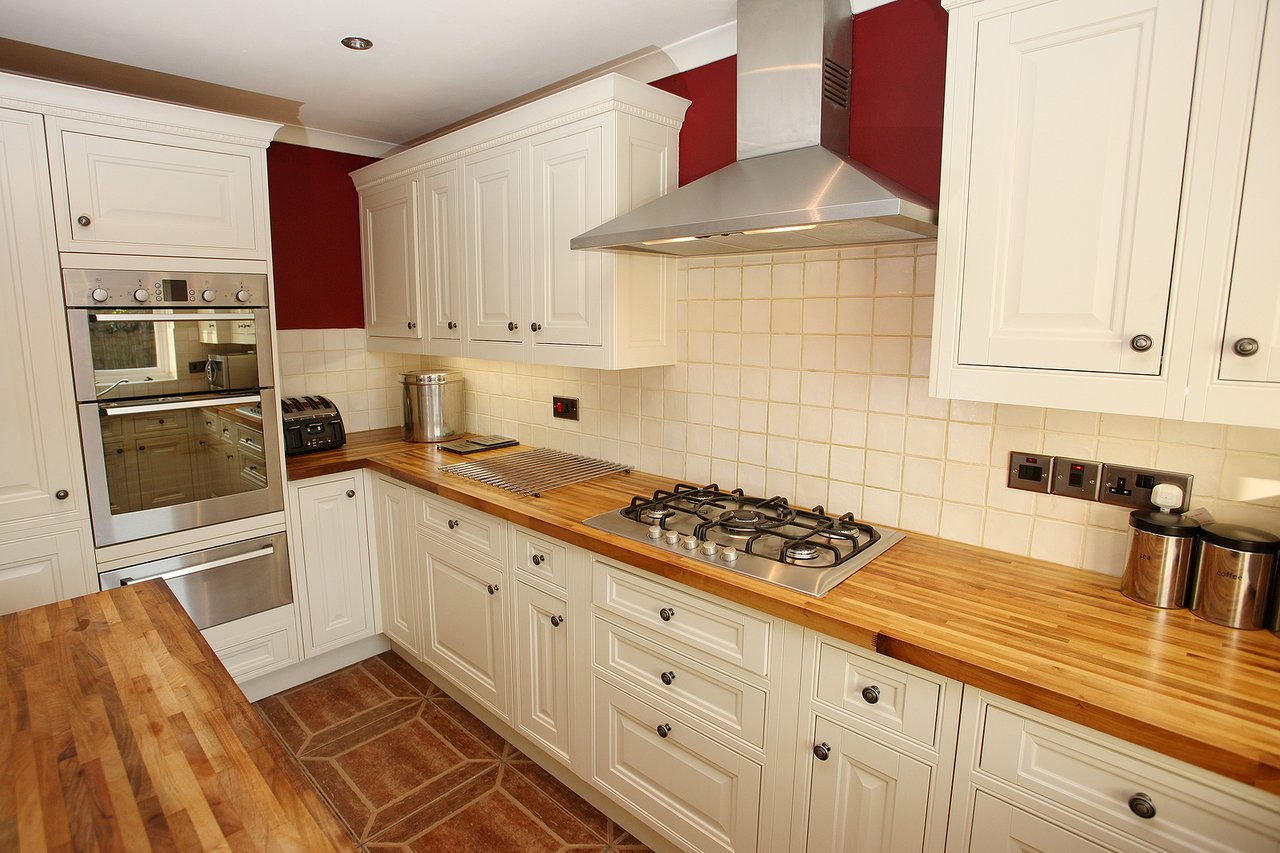
Moving inside your cottage, it’s essential to concentrate on creating a cozy ambiance. Choosing comfortable furniture, selecting warm lighting, and embracing natural materials are key steps you’ll want to contemplate.

Selecting Comfortable Furniture
To create a cozy interior, you’ll need to focus on selecting furniture that guarantees both comfort and style. Ergonomic design is crucial; it guarantees that furniture not only looks good but feels great too.
- A plush, overstuffed sofa that cradles your body in comfort, upholstered in soft, warm tones that soothe the soul.
- A reclining chair that perfectly supports your back and legs, invites relaxation and well-being.
- A charming, vintage-inspired ottoman that doubles as a cozy footrest and a delightful accent piece, adds layers of texture and interest to your space.