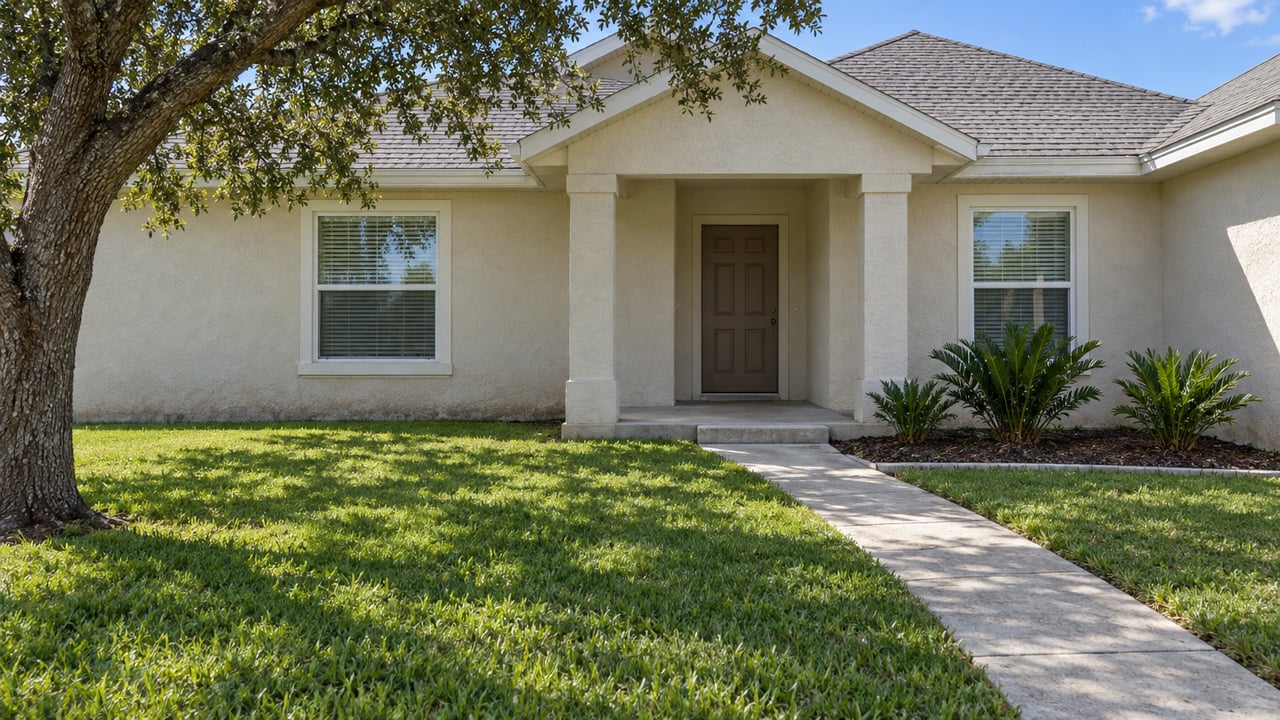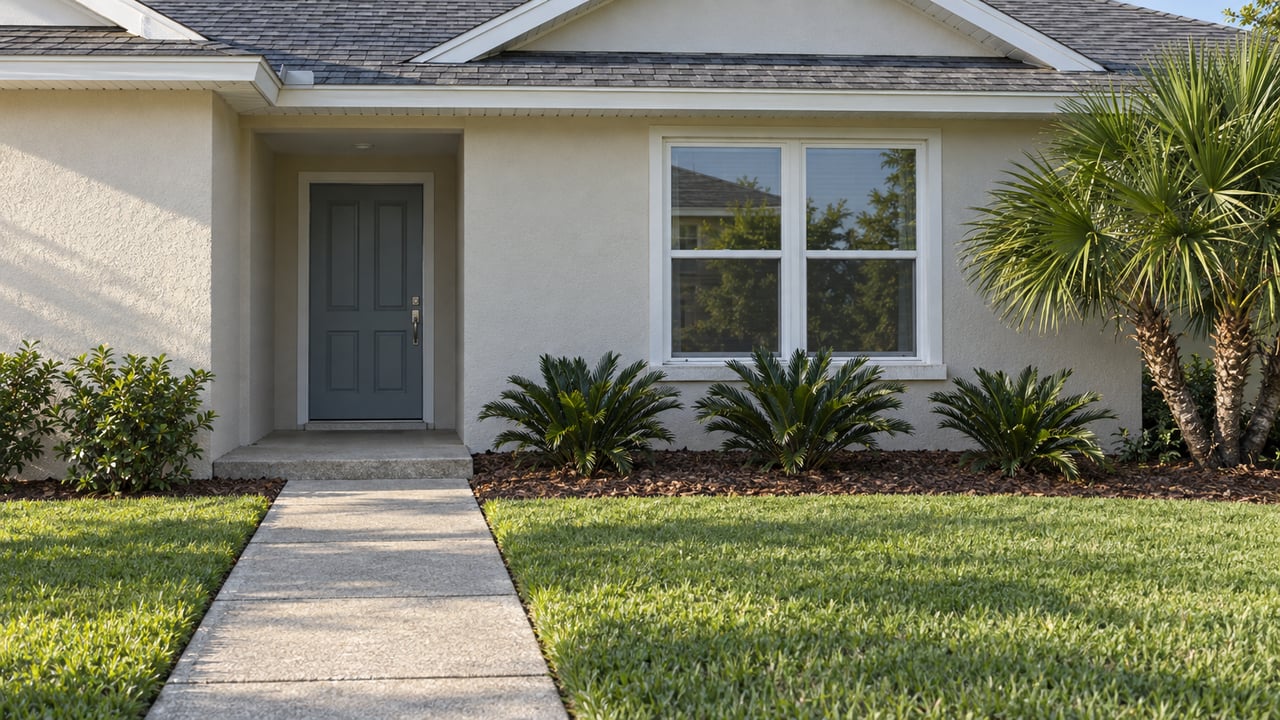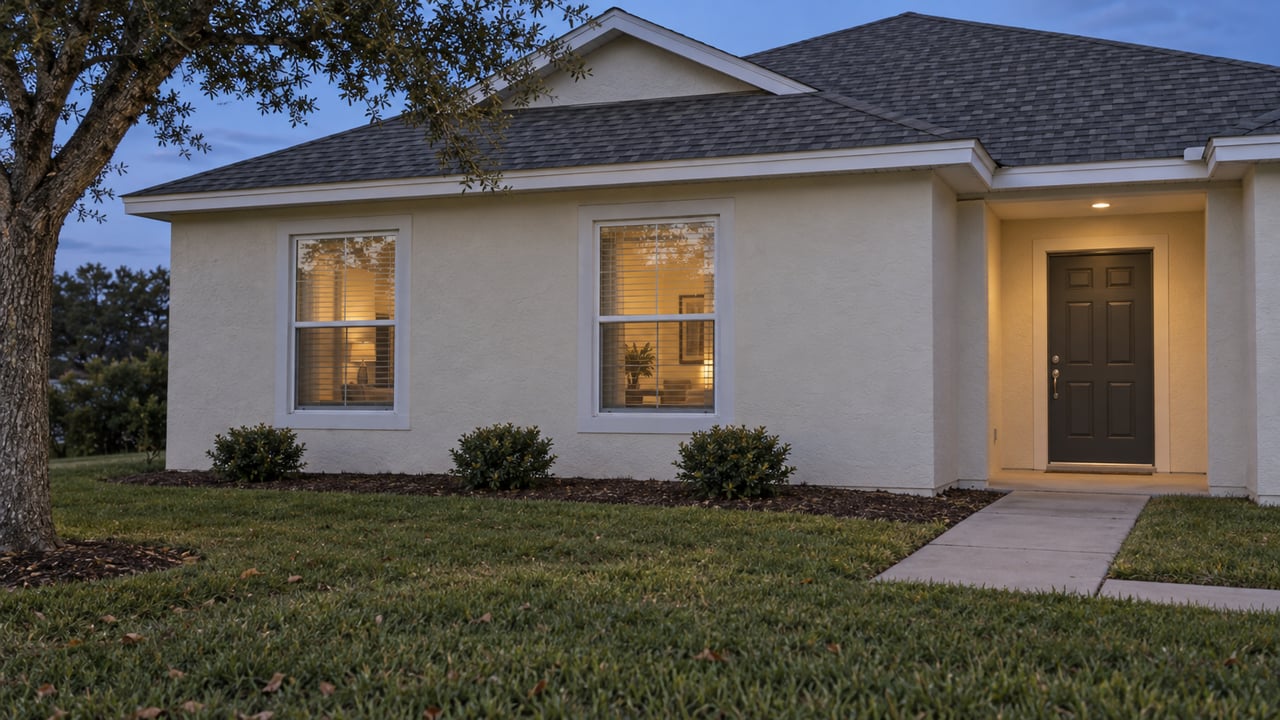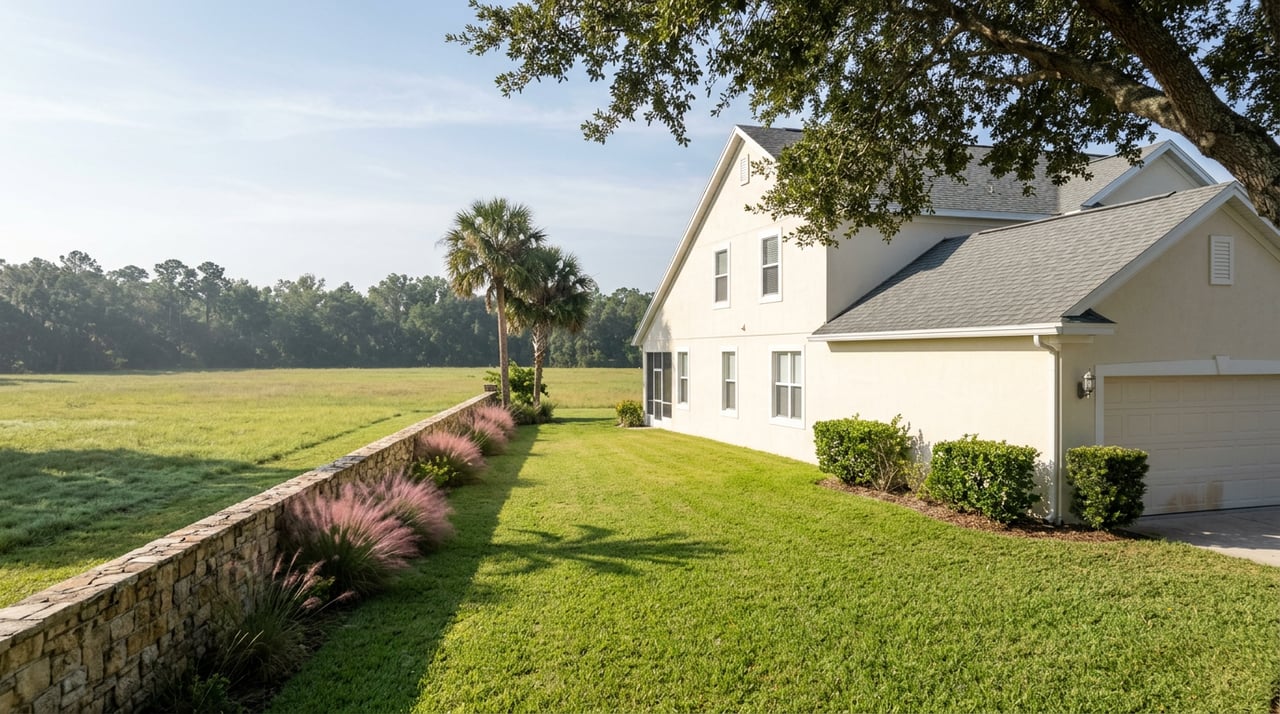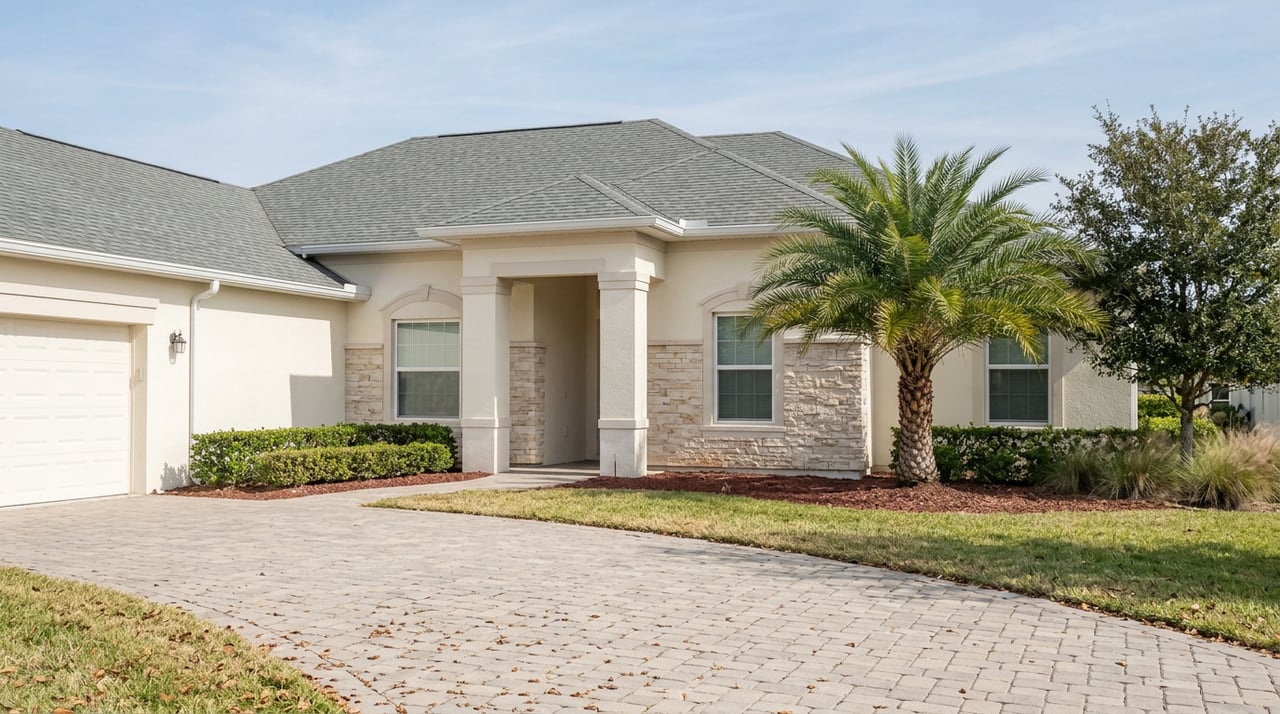
Drive Tower Road on a Saturday and you'll pass two Westwood listings with the same floor plan, the same builder, and two different numbers on the sign out front. One home is offering buyers a $20,000 credit toward closing costs. Another, just a few doors down in the same community, is offering $30,000. Same square footage. Same amenities package. A $10,000 gap that has nothing to do with which house is actually the better buy.
I get some version of this question almost every time a client starts comparing new-construction communities in Land O' Lakes. They pull up listings for Bexley, Del Webb Bexley, Deerbrook, and Westwood side by side, and they start ranking them by the size of the credit. It feels like comparison shopping. It isn't. The incentive amount on a new-construction listing tells you the credit being offered, but it doesn't establish which home costs less or what its CDD assessment will be.
What an incentive amount tells you—and what it doesn't
These incentives are tied to using the builder's preferred lender and title company. Compare the value of the credit with the full loan terms and costs before deciding which offer works better.
Deerbrook, off US-41, has advertised $25,000 toward closing costs across its active listings. Westwood listings show incentives of $18,000, $20,000, and $30,000 on essentially the same product. Those advertised amounts alone do not establish which home is the better buy or why the amounts differ.
For buyers, the advertised incentive is one part of the comparison. It does not by itself establish the total cost of ownership.
What the credit never touches
Here's the part that gets skipped in almost every conversation about "which incentive is bigger." None of that closing-cost credit, no matter the size, has anything to do with the Community Development District assessment that comes with the home.
A CDD is a special-purpose local government created under Florida law to finance the roads, water and sewer lines, and amenity centers inside a master-planned community. The district pays for that infrastructure by selling bonds and then collects debt service on those bonds. On top of it sits a separate operations and maintenance charge that funds landscaping, lake management, and clubhouse upkeep.
Concord Station, built in the mid-2000s by Lennar, is a useful contrast to the newer Bexley-area sections still under active construction. Concord Station has a reputation for reasonable CDD and HOA costs today. The builder's closing-cost credit has no bearing on those costs.
Concord Station's own district website makes an interesting point that most buyers never think to ask about. Because the infrastructure was built with tax-exempt public bonds, the district notes that "all District owned improvements, infrastructure and facilities are and shall remain open and accessible to the general public." The clubhouse, the trails, the ponds you're paying an assessment to help fund are not a private club amenity you're buying exclusive access to. They're public infrastructure with a legal obligation attached, financed by a bond. The district's board meets the second Thursday of every month at the Concord Station Clubhouse on Mentmore Boulevard.
This isn't a Land O' Lakes quirk. It's a statewide pattern, and it gets its sharpest illustration in Florida's most bond-heavy master-planned community. A 24/7 Wall St analysis published this month described how in The Villages, the CDD bond "hides inside" the property tax bill for years, then resurfaces as the single largest line item on a seller's closing statement, the number a homeowner forgot they were carrying until it's time to sell. Land O' Lakes districts are smaller and the dollar amounts different, but the builder's closing-cost credit does nothing to change the CDD assessment.
Running the comparison that actually matters
If the incentive size doesn't tell you which community costs less, what does? The honest comparison has four parts: the base price, the true value of the credit once you know what the preferred lender's rate actually costs versus an outside quote, the current CDD debt service, and the O&M assessment.
Say you're comparing two hypothetical homes at $450,000, one with a $30,000 credit and one with $20,000. The $30,000 home looks like the clear winner until you get a competing rate quote from an outside lender and discover the preferred lender's rate is a quarter point higher, which over a 30-year loan can cost more than the extra $10,000 credit is worth. Now factor in the CDD costs for each home. The sticker credit told you nothing true about either cost.
The two questions worth asking before you compare numbers
Before ranking communities by their advertised incentive, ask the builder's sales office two things. First, ask what the incentive is worth as a straight price reduction instead of a closing-cost credit. Builders will sometimes tell you, and the gap between the two numbers reveals how much of that "credit" was baked into the price to begin with. Second, get a rate quote from a lender outside the builder's preferred list before you sign anything, so you know exactly what you're giving up by staying inside the incentive structure.
Then do the homework the incentive can't do for you: pull the specific CDD's current budget and bond status. That figure will still matter long after the closing-cost credit is a line item you've forgotten.
A few quick answers
Does every buyer get the maximum incentive advertised? Not automatically. The figure on a listing reflects what's being offered on that specific home at that specific moment, tied to using the builder's preferred lender and title company. The advertised amount may vary over time.
Does a newer Land O' Lakes community always carry a bigger CDD bond than an older one? Generally yes, but the exact assessment still depends on the district's specific bond size and how many homes share it.
Can I get some version of the credit without using the builder's preferred lender? Sometimes builders will offer a smaller adjustment for using outside financing, but it's worth asking directly rather than assuming the full incentive travels with any lender you choose.
I walk buyers through this comparison on every new-construction contract, because the advertised incentive is only one part of the cost picture. If you're weighing a few Land O' Lakes communities right now and want a second set of eyes on what the numbers actually add up to, Shells Florida Realty is a good place to start. When it's time to buy or sell, call Shell!
This article is general information, not legal, tax or financial advice. Consult a qualified professional about your situation.