When you’re navigating today’s real estate market, a thorough home inspection is more important than ever. Whether you’re buying or selling, having the right information can make the difference between a smooth deal and unexpected setbacks.
In this blog, we’ll cover what a home inspection involves, key red flags to watch for, and how both buyers and sellers can use the process strategically to protect value and peace of mind.
What a Home Inspection Entails
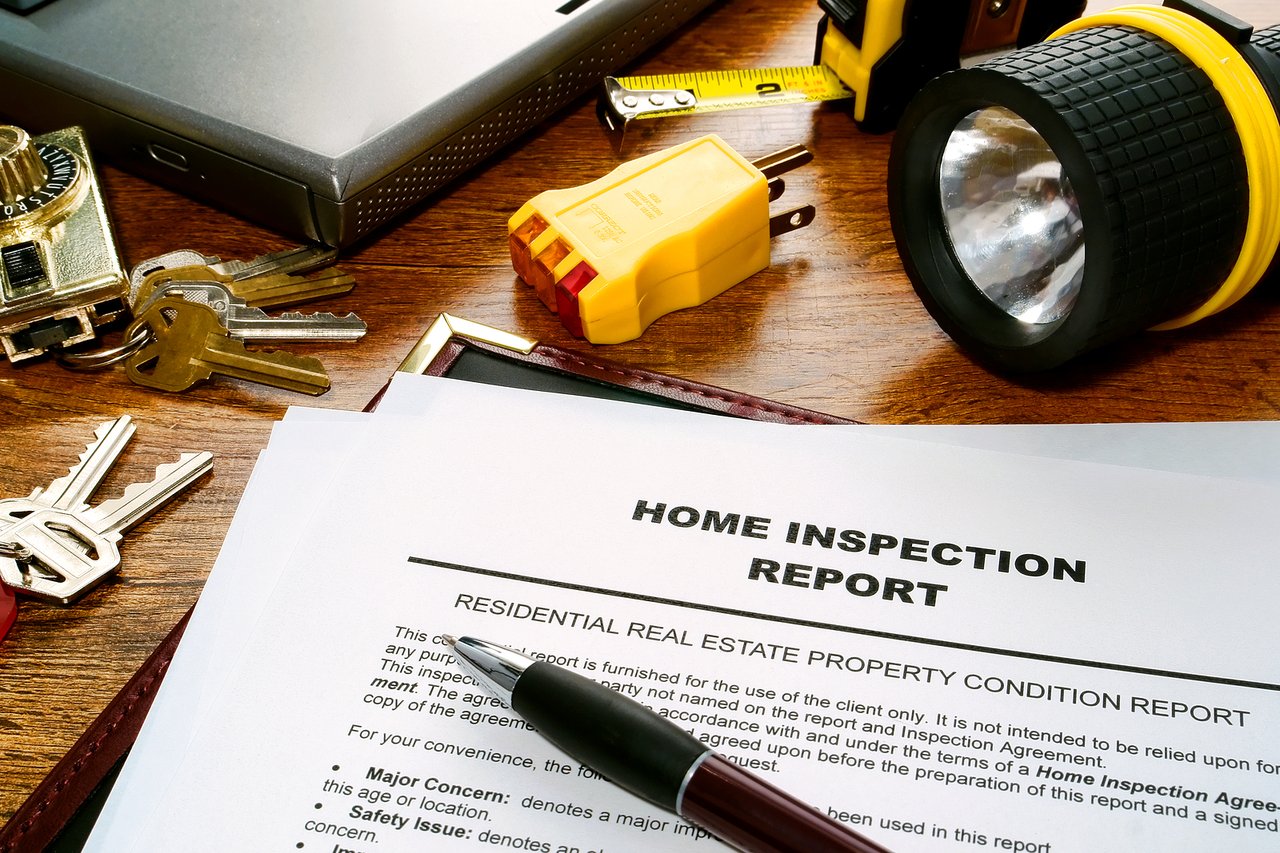
A home inspection gives a detailed look at a property’s condition before finalizing a purchase or listing. According to recent industry data, about 85% of inspections identify at least one issue. On average in the U.S., the cost ranges from $300 to $500.

For buyers, the inspection serves as a safeguard, helping identify hidden defects, estimate repair costs, and potentially renegotiate. For sellers, performing a pre-listing inspection allows you to proactively address issues and present a stronger case to potential buyers.
In 2025, energy audits and “green” home considerations are becoming more common. A solid inspection helps both parties make informed decisions and reduce surprises down the road.
Key Areas to Focus On
When preparing for a home inspection, both buyers and sellers should pay close attention to these key systems and structural elements:
- Roofing & drainage: Roofing defects are among the most common issues uncovered.
- Electrical systems: Outdated wiring, overloaded circuits, and older panels appear frequently.
- Plumbing and HVAC: One survey found 33% of inspections revealed plumbing problems.
- Foundation and water intrusion: Grading, drainage, and stability affect safety and value.
- Energy efficiency & sustainability: Insulation, ventilation, and smart systems are increasingly assessed.
For sellers, resolving these issues early can enhance your listing. For buyers, understanding these red flags provides leverage and clarity.
How Sellers Can Leverage the Inspection Process
A well-executed home inspection can strengthen a seller’s position. Start with a pre-listing inspection to identify potential problems in advance. This allows time for repairs or transparent disclosure.
In 2025, sellers who disclose inspection findings often gain a trust advantage. Highlight energy-efficient upgrades, recent system replacements, or remediation work in your listing to appeal to eco-conscious buyers.
When problems are found after inspection, nearly 75% of buyers request negotiations or repair credits. Addressing major defects early can prevent stalled deals.
How Buyers Can Maximize Their Inspection
For buyers, a home inspection provides critical insight before committing to a purchase. Always insist on an inspection contingency to allow time for review and negotiation. About 88% of U.S. buyers now use a home inspection as part of the transaction.
Review major categories such as roofing, electrical, plumbing, and HVAC carefully. Identify safety issues and items requiring immediate attention, and request cost estimates to factor into negotiations and budgeting.
Inspection findings often result in price adjustments or seller concessions. In a balanced market, this leverage can be a significant advantage.
Final Thoughts
Whether you’re buying or selling, prioritizing a home inspection helps protect value and leads to smarter decisions. For sellers, it turns unknown concerns into strengths. For buyers, it offers clarity on the investment ahead.
With strong demand and evolving inspection practices in 2025, making inspections standard practice isn’t optional—it’s strategic.