Buying your first home in San Antonio, FL can feel exciting and a little intimidating at the same time. In a small, owner-heavy market like this one, you may not have endless options, and the right home can move fast. The good news is that when you understand local pricing, housing types, taxes, and insurance costs, you can shop with a lot more confidence. Let’s dive in.
Why San Antonio feels different
San Antonio is a very small housing market compared with many other Tampa-area communities. ACS-based data shows about 1,446 residents and 542 households, which gives the area a more established, close-knit housing feel rather than a large, high-inventory environment.
That matters when you are buying your first home. About 89.1% of occupied homes are owner-occupied, which suggests this is a market shaped more by resale homeowners than by large amounts of rental housing. For you, that can mean fewer entry-level choices at any given time and more competition for homes that are well priced.
What homes look like in San Antonio
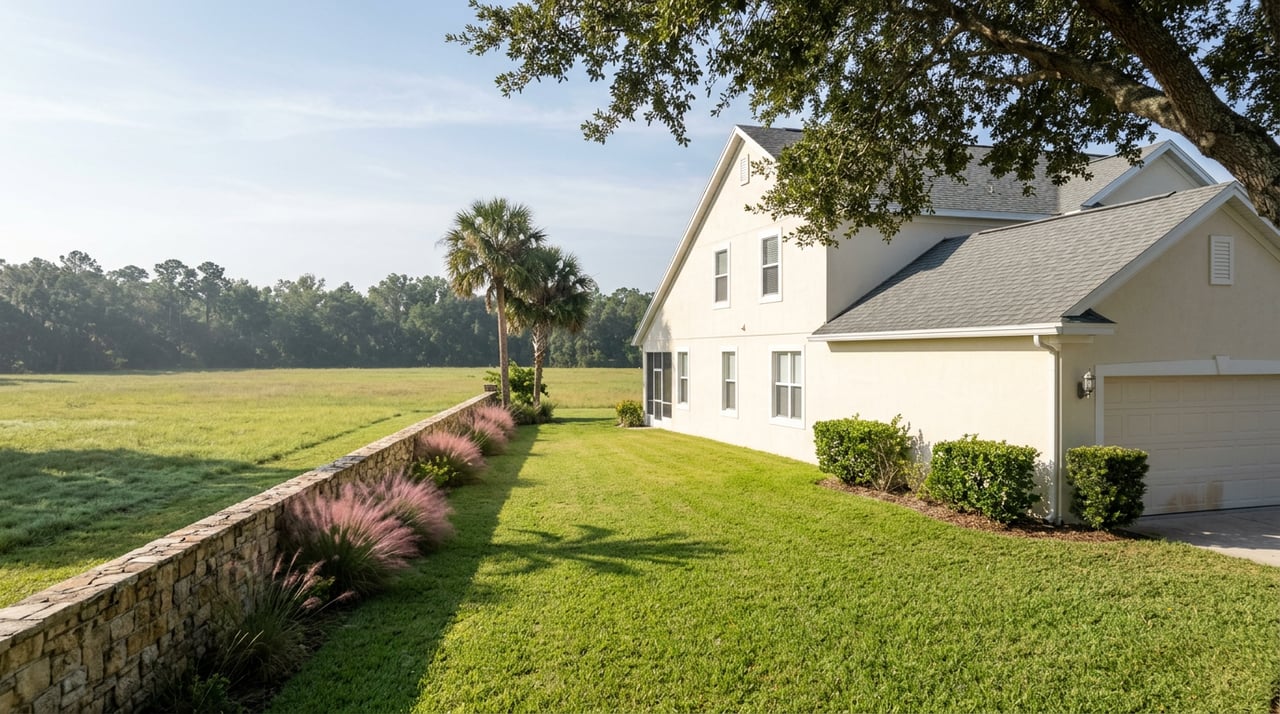
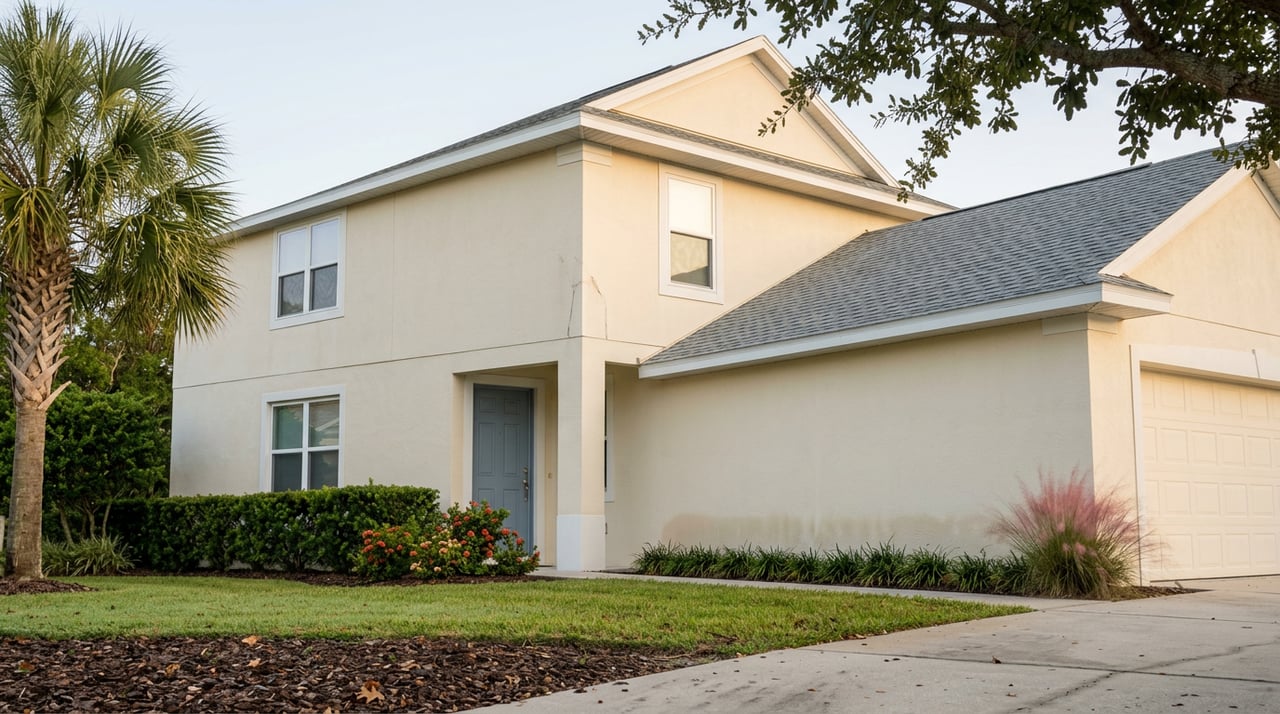
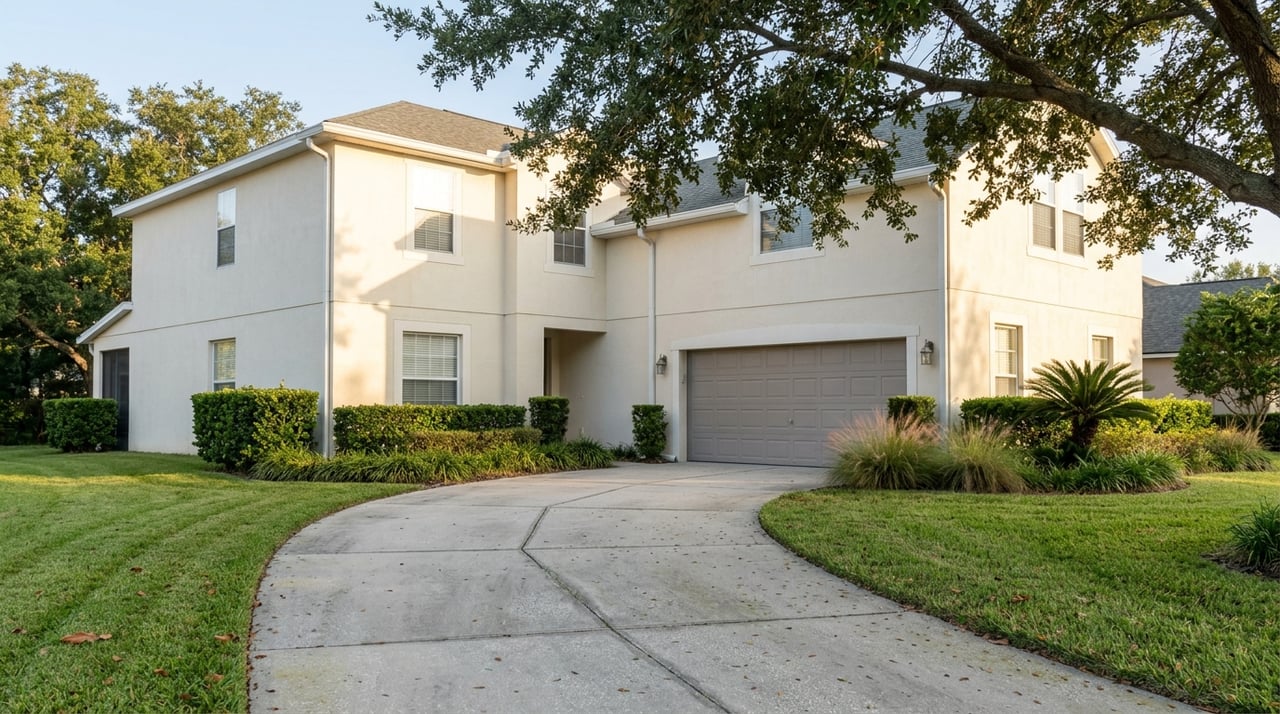
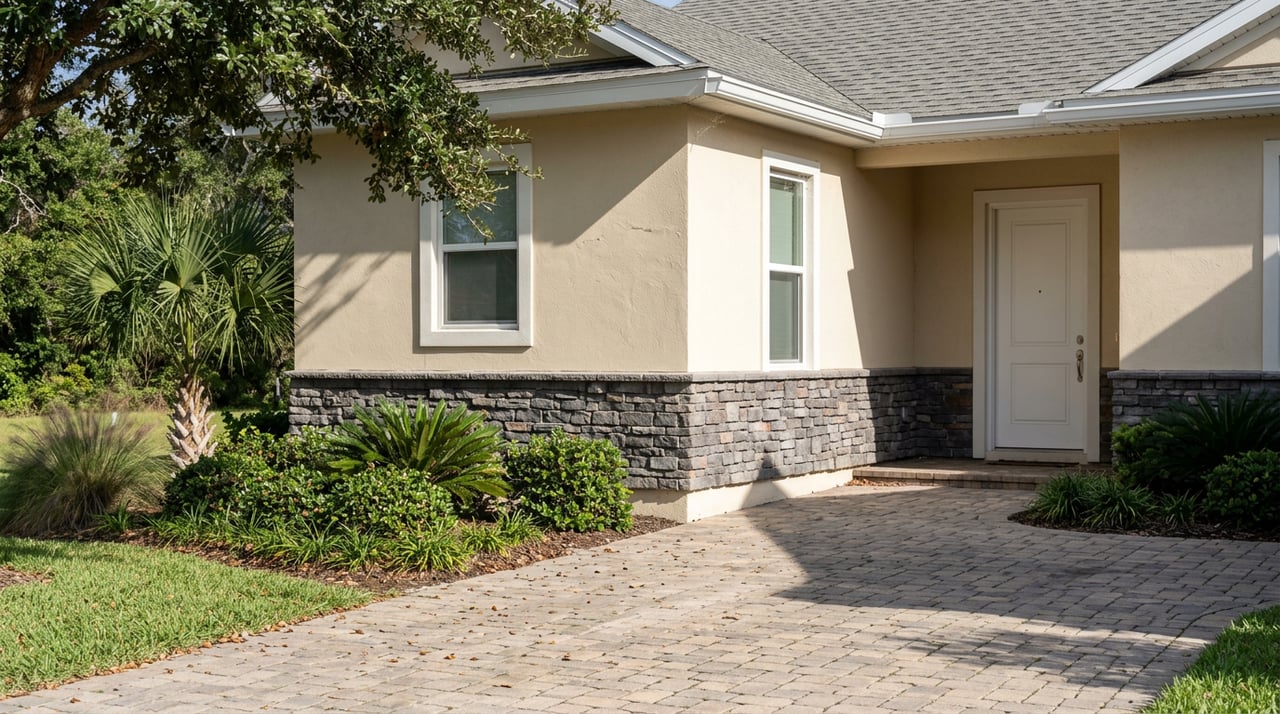
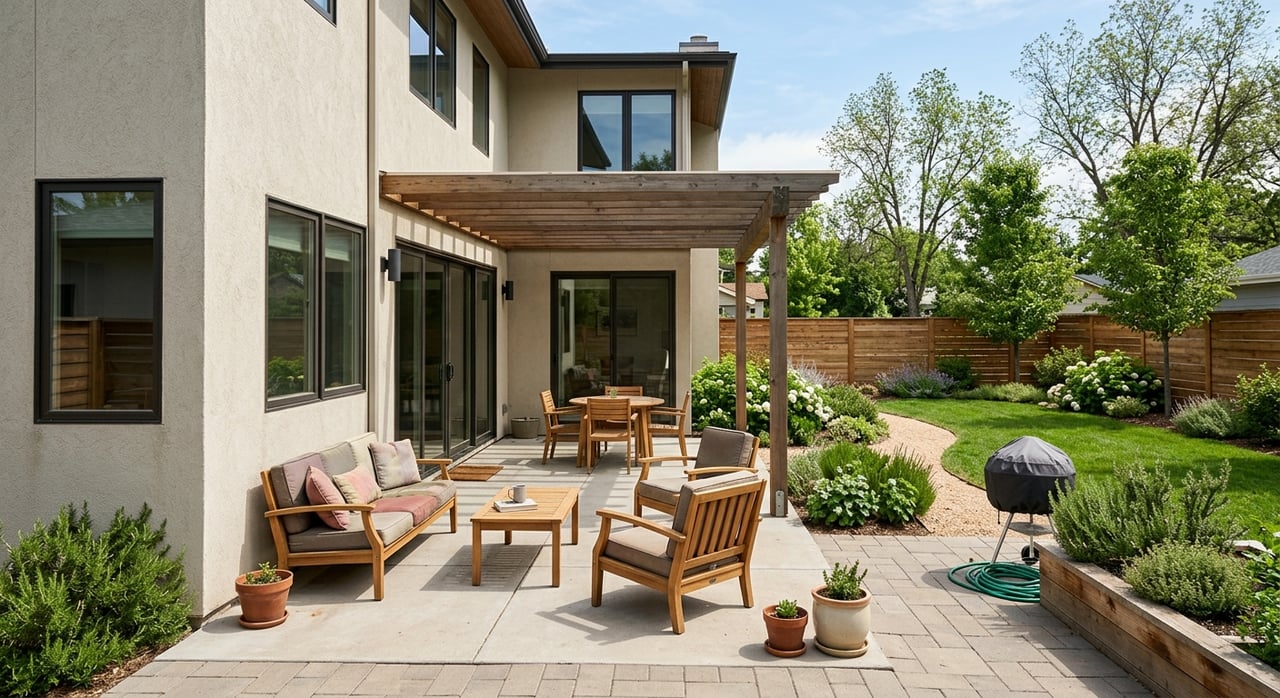
If you are picturing mostly detached houses, that is accurate. About 93% of the housing stock is detached single-family homes, while attached homes make up only a small share.
This gives first-time buyers a pretty clear idea of what to expect. In San Antonio, your search will likely focus on resale single-family homes, not large numbers of condos or townhome-style options.
The median construction year is 1996, so the market is not made up of all-new homes. You are more likely to see a mix of older resale properties along with homes built in the 2000s and 2010s.
What first-time buyers may pay
Pricing in San Antonio depends on which market measure you look at, but the overall picture is fairly consistent. Zillow’s April 30, 2026 snapshot shows an average home value of $350,069 and a median list price of $354,967, while Census Reporter shows a median owner-occupied value of $371,300.
Redfin reported a January 2026 median sale price of $445,000. Since these are different measures, they do not create one exact benchmark, but together they suggest San Antonio is generally a mid-$300,000 to mid-$400,000 market.
For first-time buyers, there is still some encouraging news. Current active listings have shown entry-level homes in roughly the $229,000 to $295,000 range, with several 3-bedroom homes around $340,000. Since active listings change quickly, it helps to think of this as a moving target rather than a fixed price band.
Why speed matters in this market
San Antonio is not a market where you can assume a good home will sit around for weeks. Redfin describes the market as very competitive, with homes selling in about 24 days and many receiving multiple offers.
Zillow’s market snapshot showed 129 homes for sale, which helps explain why buyers may need to move decisively when the right property appears. If you are a first-time buyer, that does not mean rushing without due diligence. It means being financially prepared, clear on your needs, and ready to act when a home checks the right boxes.
Setting a realistic first-home budget
Your budget should go beyond the purchase price. In San Antonio, a smart first-time buyer budget usually includes four core pieces:
- Your target price range
- Property taxes
- Homeowners insurance
- Potential flood insurance and out-of-pocket closing costs
A practical local starting point may be to explore the high-$200,000s to low-$300,000s if you are looking for entry-level opportunities, while staying aware that broader citywide values and sale prices trend higher. That gap is one reason strong preparation matters so much.
Property taxes in Pasco County
Property taxes are an important part of your monthly housing cost. Pasco County’s FY2025 final operating millage is 7.4292 mills, and the county also adopted separate levies for fire service, roads, and debt service.
That means your final tax bill is not just one simple line item. The Pasco County Property Appraiser also notes that final tax bills can include non-ad valorem assessments, so it is wise to budget for charges beyond standard ad valorem taxes.
When you look at a home online, remember that past tax amounts may not reflect what you will pay after purchase. A home’s taxes can change based on assessed value, exemptions, and other charges.
How homestead exemption can help
If the home will be your primary residence, homestead benefits may lower your taxable value. Pasco County’s homestead guidance says you must qualify by January 1 and file by March 1 for the current year.
The exemption includes a first $25,000 reduction that applies to all taxes, plus an additional up to $25,000 reduction on assessed value between $50,000 and $75,000 for non-school taxes. Pasco County also explains that Save Our Homes limits annual assessed-value increases to the lower of 3% or the Consumer Price Index.
For first-time buyers, this can make a meaningful difference over time. It is one of the key benefits to plan for if you are buying a primary residence in San Antonio.
Insurance costs need extra attention
In Florida, insurance deserves just as much attention as the mortgage payment. The state’s homeowners insurance guidance says standard homeowners policies usually cover wind and other named perils, but commonly exclude flood.
FEMA also states that most homeowners insurance does not cover flood damage, which means flood coverage is typically a separate policy. Pasco County’s Property Appraiser has also said new FEMA flood insurance rate maps are being created, which may have insurance implications for some properties.
This is why first-time buyers should never assume insurance will be simple or inexpensive. A home that looks affordable on paper can feel very different once insurance and flood coverage are added to the monthly cost.
Ask about wind mitigation and deductibles
Florida’s consumer insurance guidance says insurers must offer wind-mitigation discount forms. It also says homeowners should discuss hurricane deductibles with their insurer before closing.
That matters because roof condition, opening protection, and available mitigation credits can change your insurance premium. When you compare homes, it is smart to compare more than square footage and price. You also want to understand how each home may affect your long-term monthly costs.
What daily life is like in San Antonio
San Antonio is a car-oriented community. ACS-based data shows that 87.7% of residents commute by personal vehicle, and the mean travel time to work is 26.2 minutes.
For you, that means drive times may matter more than transit access. If you work in Wesley Chapel, Zephyrhills, Dade City, or other Tampa-area employment areas, it helps to map out your likely routes before making an offer.
FDOT notes that SR 52 improves connectivity between I-75 and US 301. That kind of road access can make a real difference when you are choosing between homes and thinking about your everyday routine.
A smart first-time buying approach
In a small, competitive market like San Antonio, a steady plan can help you avoid expensive mistakes. Focus on the basics first, then narrow your options.
Here is a practical approach:
- Set a full monthly budget, not just a price cap.
- Identify whether detached single-family living fits your needs, since that is the dominant housing type.
- Compare homes based on taxes, insurance, age, and likely maintenance, not just list price.
- Be ready to act quickly when a well-priced home comes on the market.
- Plan ahead for homestead filing if the home will be your primary residence.
This kind of preparation can make you feel calmer and more competitive at the same time.
Why local guidance matters
First-time buyers often need more than access to listings. You may need help understanding how local pricing compares to live inventory, how taxes and non-ad valorem assessments affect your payment, and how insurance details can reshape affordability.
That is where local, hands-on guidance can make a big difference. In a market like San Antonio, having someone who understands nearby suburban communities, resale trends, and the details that matter before closing can help you buy with more clarity.
If you are thinking about buying your first home in San Antonio, the best next step is a conversation about your budget, timeline, and what kind of home fits your life. When it’s time to buy or sell, call Shell at Michele Curtin.
FAQs
What is a realistic first-time home budget in San Antonio, FL?
- A practical entry point may be the high-$200,000s to low-$300,000s for some active listings, while broader market measures suggest San Antonio overall trends from the mid-$300,000s into the mid-$400,000s.
What types of homes are most common in San Antonio, FL?
- Detached single-family homes are by far the most common, making up about 93% of the housing stock.
How competitive is the San Antonio, FL housing market?
- Redfin reported homes selling in about 24 days, with many receiving multiple offers, which points to a very competitive market.
What should first-time buyers know about Pasco County property taxes?
- Pasco County’s FY2025 final operating millage is 7.4292 mills, and final tax bills may also include non-ad valorem assessments and other levies.
How does homestead exemption work for a primary home in Pasco County, FL?
- If you qualify by January 1 and file by March 1, homestead exemption can reduce taxable value through a first $25,000 exemption and an additional up to $25,000 reduction on certain non-school taxes.
Do first-time buyers in San Antonio, FL need separate flood insurance?
- Standard homeowners insurance commonly excludes flood, so flood coverage is typically a separate policy depending on the property and insurance requirements.
Is San Antonio, FL a car-dependent area for homebuyers?
- Yes. ACS-based data shows most residents commute by personal vehicle, and the mean commute time is 26.2 minutes.