If you are thinking about selling in New Tampa, one question matters more than almost any other: Are you pricing and preparing your home for the market you actually have, not the one you wish you had? That can feel like a lot to sort through, especially when nearby areas can perform very differently and buyers are paying close attention to monthly costs. The good news is that with the right local pricing strategy and a smart prep plan, you can improve your odds of a smoother sale. Let’s dive in.
New Tampa pricing is not one-size-fits-all
In New Tampa, broad averages only tell part of the story. Recent market data shows a meaningful difference between local pockets, with 33647 at a median sale price of $489,855, about 50 days on market, and a 97.2% sale-to-list ratio, while 33637 posted a median sale price of $299,911, about 65 days on market, and a 98.6% sale-to-list ratio.
That spread matters because it shows why sellers should not rely on a single “New Tampa” number. Your subdivision, property type, updates, lot, and overall condition can influence value more than the neighborhood label alone. A home in one section of New Tampa may compete with a very different buyer pool than a similar-sized home a few miles away.
Local pricing starts with buyer affordability
Today’s buyers are not looking at price in isolation. They are also thinking about the full monthly cost of ownership, including mortgage payment, property taxes, homeowners insurance, HOA fees, and condo assessments where applicable.
That is especially important in the Tampa area, where affordability remains a real factor even as conditions improve. Florida Realtors reported that a typical buyer needed about $122,933 in annual income for a median-priced Tampa home of $360,119. For you as a seller, that means a home with higher carrying costs may need even more careful pricing to stay competitive.
Why overpricing can backfire
Many sellers hope to leave room for negotiation by starting high. In a market where buyers are cost-conscious, that approach can slow showings, reduce urgency, and increase the odds of price cuts later.
In the period studied, 39.0% of homes in 33647 had price drops, and 38.4% in 33637 did too. Both areas were described as only somewhat competitive, which suggests that a well-prepared listing can still stand out, but overpricing is more likely to hurt than help.
What realistic pricing looks like
A realistic price is not just about matching a nearby sale. It means comparing your home to recent local competition with similar condition, features, and monthly ownership costs.
That is why a local comparative market analysis is more useful than a generic online estimate. If you want a strong launch, you need pricing that reflects how buyers are shopping in your specific pocket of New Tampa right now.
Condition matters more than sellers think
When pricing is tight, condition becomes a bigger deal. Two homes with similar square footage can get very different results if one feels clean, bright, and move-in ready while the other feels cluttered or unfinished.
This is where preparation can pay off. A home that is well presented gives buyers fewer reasons to hesitate and fewer excuses to discount their offer.
Prep your home before photos
One of the biggest listing mistakes is treating photos as the first step instead of the result of good preparation. Buyers often see your home online before they ever book a showing, so your marketing media should reflect the home at its best.
According to the 2025 staging report from NAR, buyers’ agents emphasized that listing photos, videos, and virtual tours matter. That is why professional media should be part of the prep process, not something rushed at the end.
Focus on the rooms buyers notice most
If you are prioritizing your time and budget, start with the spaces that tend to have the most impact. NAR found that the living room, primary bedroom, dining room, and kitchen are the rooms most worth attention when staging.
You do not always need a full redesign. Often, a simpler, cleaner, lighter look helps buyers picture how they would use the space.
What staging and prep can help with
NAR’s 2025 data found that:
- 83% of buyers’ agents said staging made it easier for buyers to visualize the home
- 29% of sellers’ agents saw a 1% to 10% increase in the dollar value offered
- 49% of sellers’ agents saw shorter time on market
That does not mean every improvement guarantees a higher price. It does mean that thoughtful presentation can support stronger buyer interest and reduce friction during the selling process.
The best New Tampa prep checklist
For most sellers, the most practical prep sequence is simple and effective. Start with the basics that improve how the home feels both online and in person.
Step 1: Declutter
Decluttering is one of the most common recommendations to sellers, and for good reason. It helps rooms look larger, storage feel more functional, and photos appear cleaner.
Pay special attention to closets, counters, shelves, and garage areas. Overstuffed storage can signal to buyers that the home does not have enough space, even when it does.
Step 2: Deep clean
A whole-home cleaning is another top recommendation. Buyers notice dust, grime, smudges, and neglected corners more quickly than many sellers expect.
A clean home reads as better maintained. It also helps highlight your home’s features instead of distracting from them.
Step 3: Neutralize distractions
Lingering odors, bold personal decor, and highly specific room setups can make it harder for buyers to connect. A more neutral presentation keeps attention on the home itself.
This does not mean stripping out all personality. It means creating a setting that feels welcoming and easy for a wide range of buyers to imagine as their own.
Step 4: Improve light and curb appeal
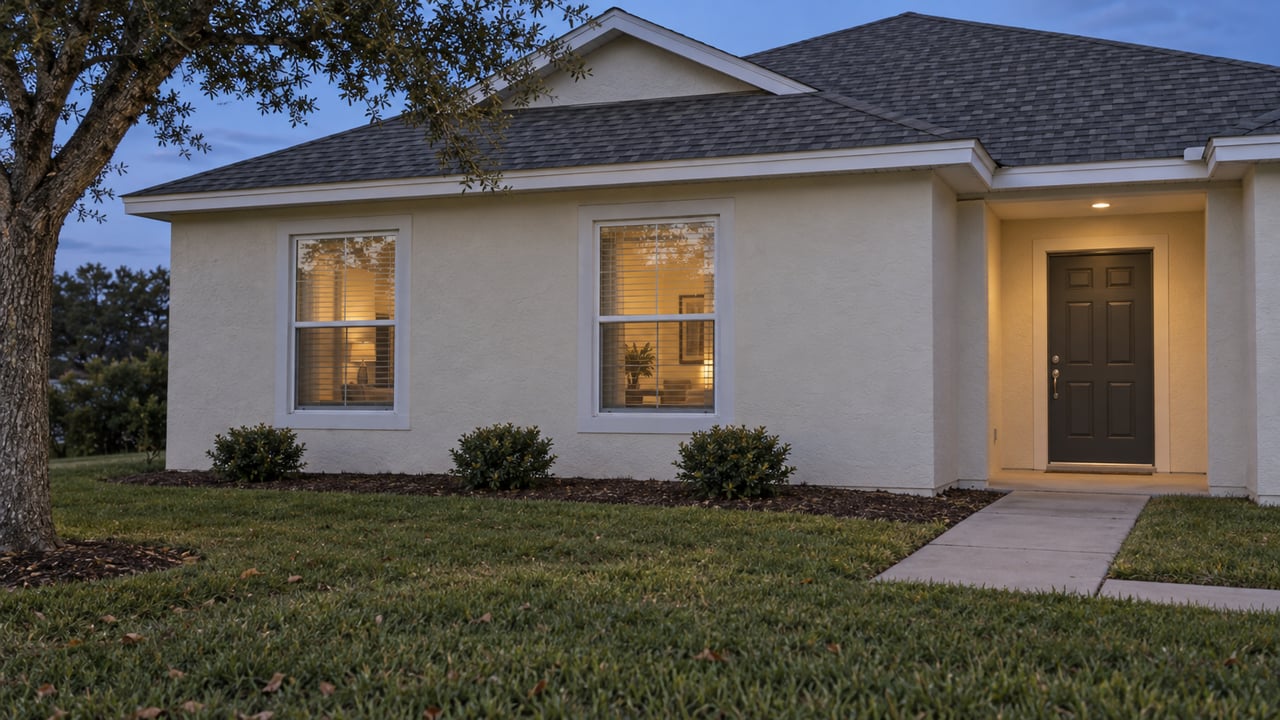
Dark rooms and weak first impressions can hurt momentum before buyers even get inside. Open blinds, replace dim bulbs, and make sure each room feels bright and functional.
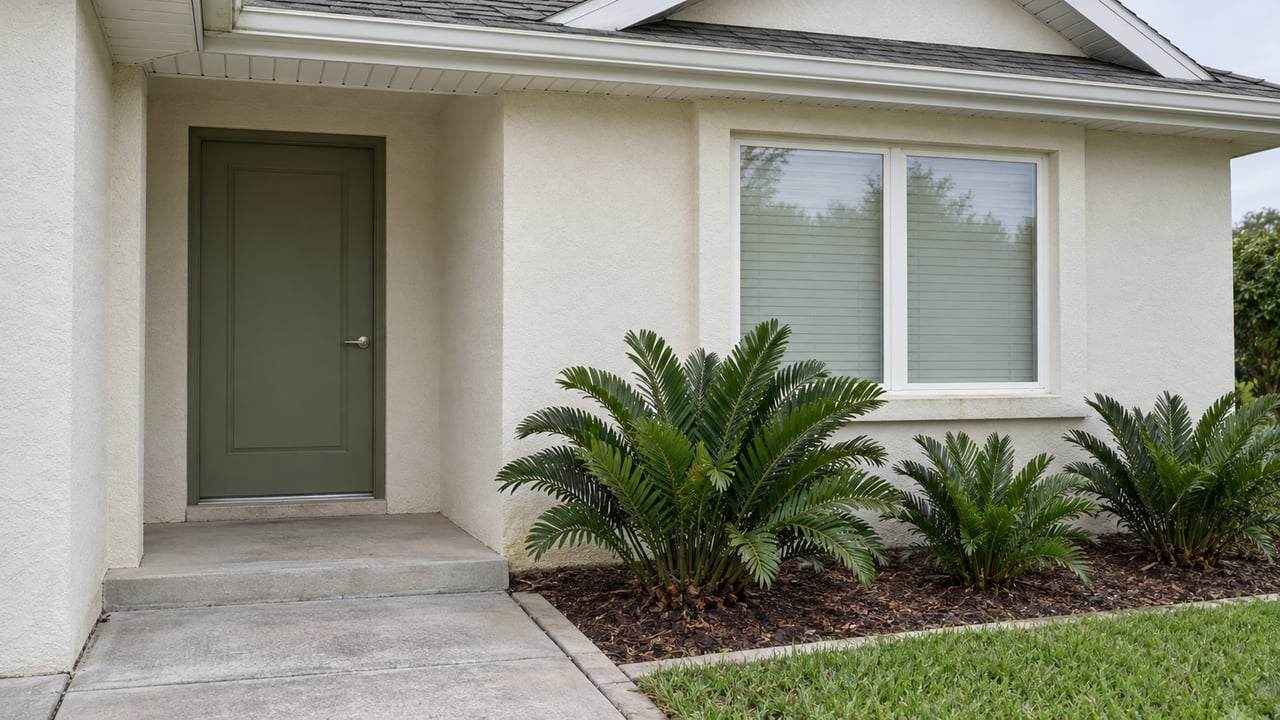
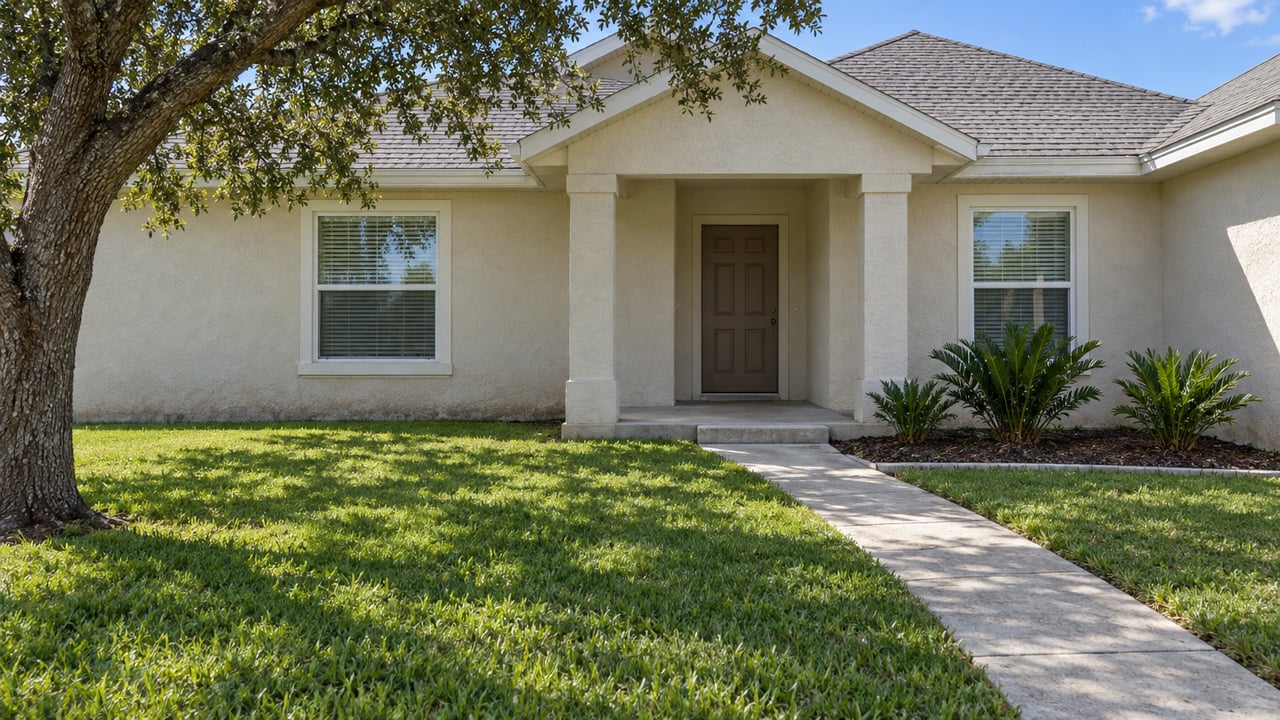
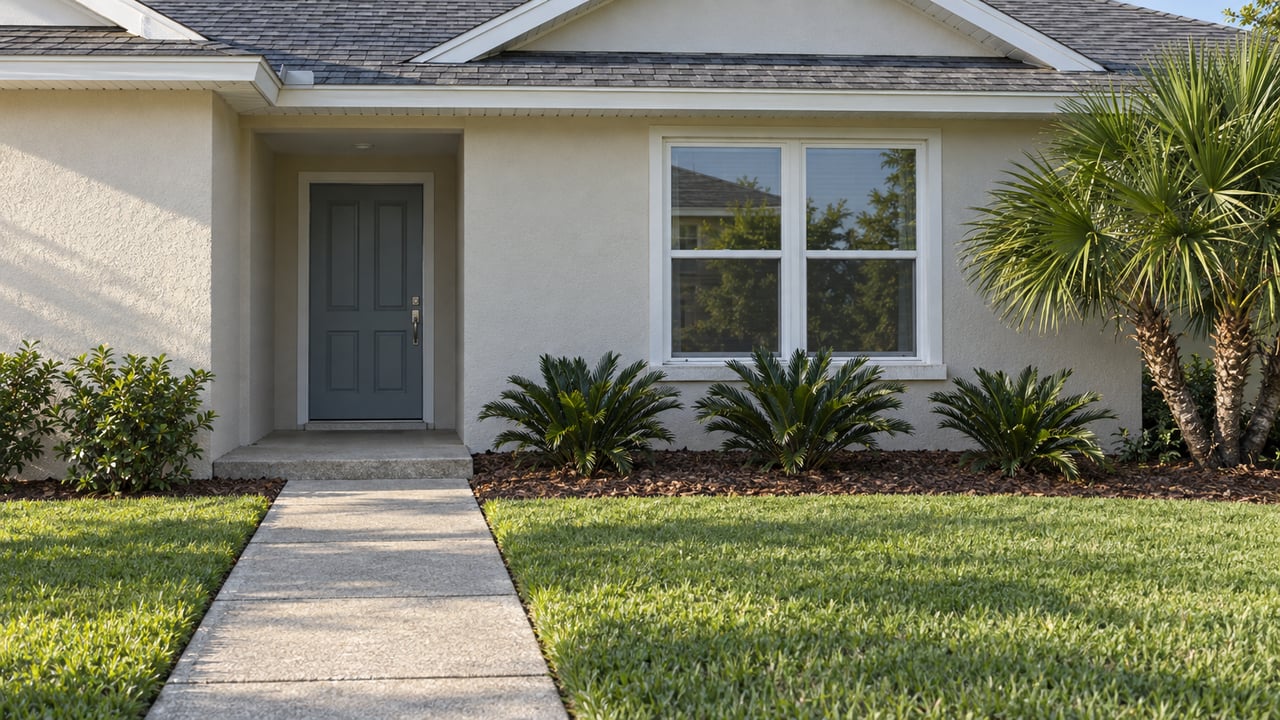
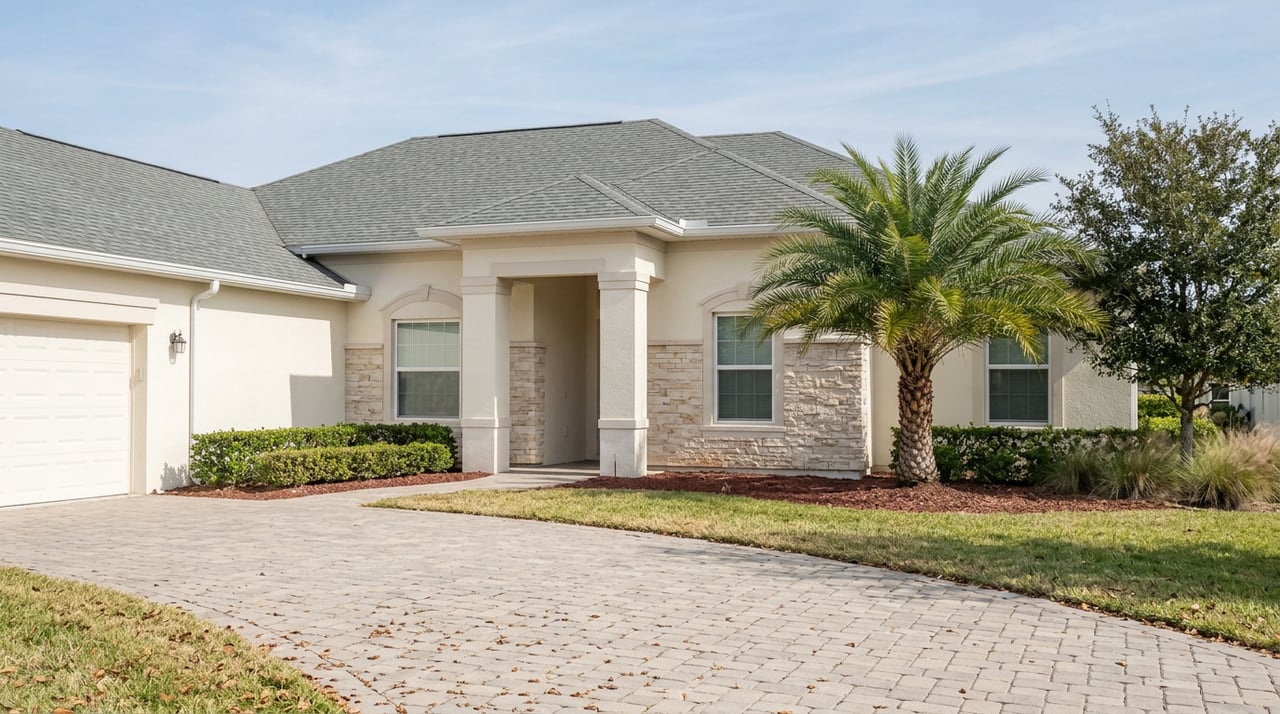
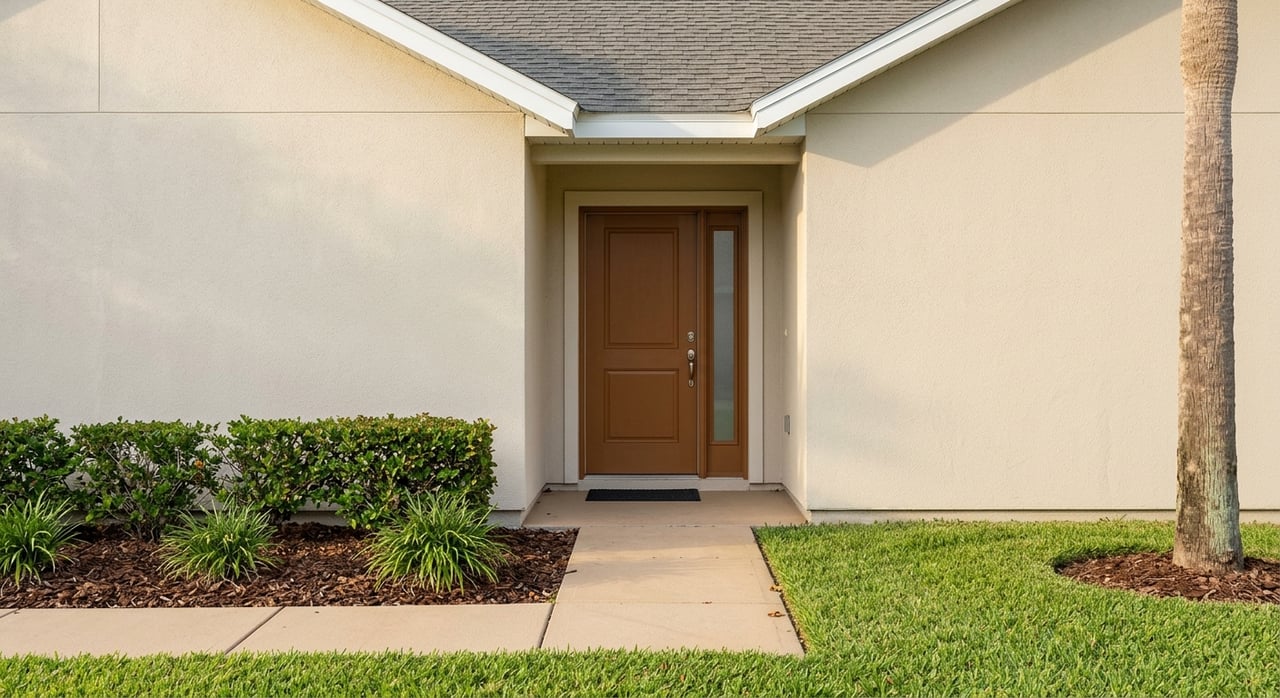
Outside, focus on tidy landscaping, trimmed hedges, clean walkways, and a neat entry. Curb appeal is one of the most common seller recommendations because it shapes buyer expectations right away.
Step 5: Photograph only when ready
Do not schedule photography until the home is truly show-ready. If the home looks better in photos than it does in person, buyers may feel disappointed at showings.
Your goal is consistency. The online experience should match the in-person experience, or better yet, make buyers excited to see more.
Disclosure and documentation matter too
Preparation is not only cosmetic. In Florida, sellers must disclose known facts that materially affect the value of residential real property and are not readily observable to the buyer.
For you, that means it is smart to gather documents before listing. If you have records for repairs, replacements, warranties, or known issues that may come up during inspection, having them organized early can help the process move more smoothly.
Helpful documents to gather
Before your home goes live, it helps to assemble:
- Records of major repairs or updates
- Roof, HVAC, plumbing, or appliance service records
- Warranty information if available
- HOA documents that a buyer may need later
- Notes on any known issues that require disclosure
This kind of preparation supports cleaner communication and can reduce surprises once you are under contract.
Set a timeline that matches the market
Sellers are sometimes surprised that even a well-priced home may not go under contract overnight. Florida’s April 2026 single-family summary showed a median time to contract of 44 days and a median time to sale of 83 days, with a median list-price-received ratio of 95.7% and inventory at 4.7 months.
In practical terms, that means you should plan for two phases. First, there is the time it takes to attract the right buyer and negotiate a contract. Then there is the time needed to complete inspections, financing, and closing.
Build a plan around your next move
If you are upsizing, downsizing, or relocating, your sale timeline should connect to your next step. A realistic plan helps reduce stress and keeps you from making rushed decisions on price or prep.
This is especially true if you need proceeds from your current home for your next purchase. Starting early gives you more room to make smart choices.
Why local guidance can make a difference
Selling without a plan often creates the same problems over and over: pricing uncertainty, prep confusion, and missed timing goals. NAR’s 2025 FSBO analysis found that sellers who went it alone most often struggled with pricing, preparing the home for sale, and selling within their desired timeframe.
In a place like New Tampa, local knowledge matters because the market is not uniform. A neighborhood-level strategy, thoughtful staging, strong photography and video, and hands-on transaction management can make the process clearer and more effective.
If you are getting ready to sell in New Tampa, the strongest first step is a local pricing conversation and a room-by-room prep plan tailored to your home. When you are ready, Michele Curtin can help you price strategically, prepare confidently, and bring your home to market with professional marketing that fits your goals.
FAQs
How should you price a home in New Tampa?
- You should price based on your specific pocket, subdivision, property type, condition, and monthly ownership costs, not just a broad New Tampa average.
How long does it take to sell a home in Florida?
- Florida’s April 2026 single-family summary showed a median time to contract of 44 days and a median time to sale of 83 days, so you should plan for both marketing time and closing time.
What home prep matters most before listing in New Tampa?
- The most important steps are usually decluttering, deep cleaning, neutralizing distractions, improving lighting and curb appeal, and waiting to photograph the home until it is fully ready.
Does staging help when selling a home in New Tampa?
- Staging can help buyers visualize the home more easily, and NAR’s 2025 report found that many sellers’ agents saw either shorter time on market or stronger offers after staging.
What must a Florida seller disclose when listing a home?
- In Florida, sellers must disclose known facts that materially affect the value of residential real property and are not readily observable to the buyer.