Understanding the investment potential of attached versus detached family homes is crucial for prospective homeowners and real estate investors. This article explores the key factors that influence investment decisions and compares the advantages of each property type.
Definitions
Definition of Attached Family Homes
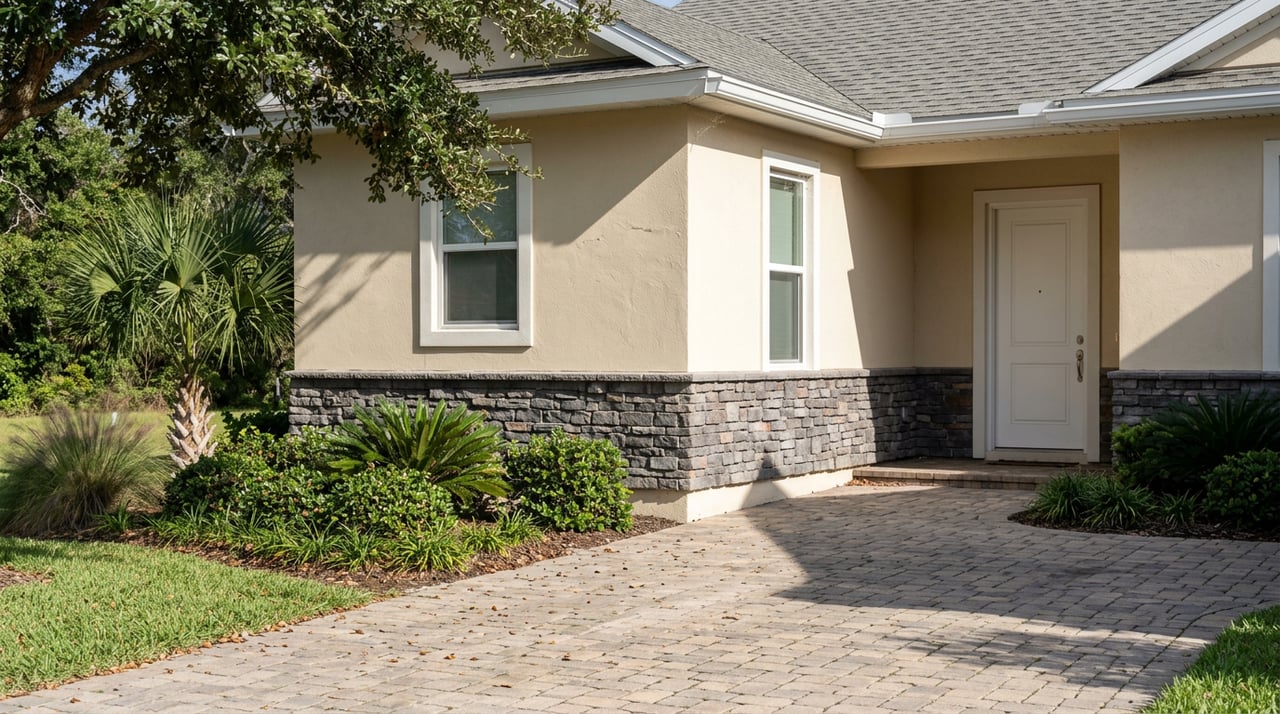
Attached family homes, such as townhouses or row houses, share one or more walls with neighboring properties. They are commonly found in urban or suburban areas and offer a balance between apartment living and detached homes.
Definition of Detached Family Homes

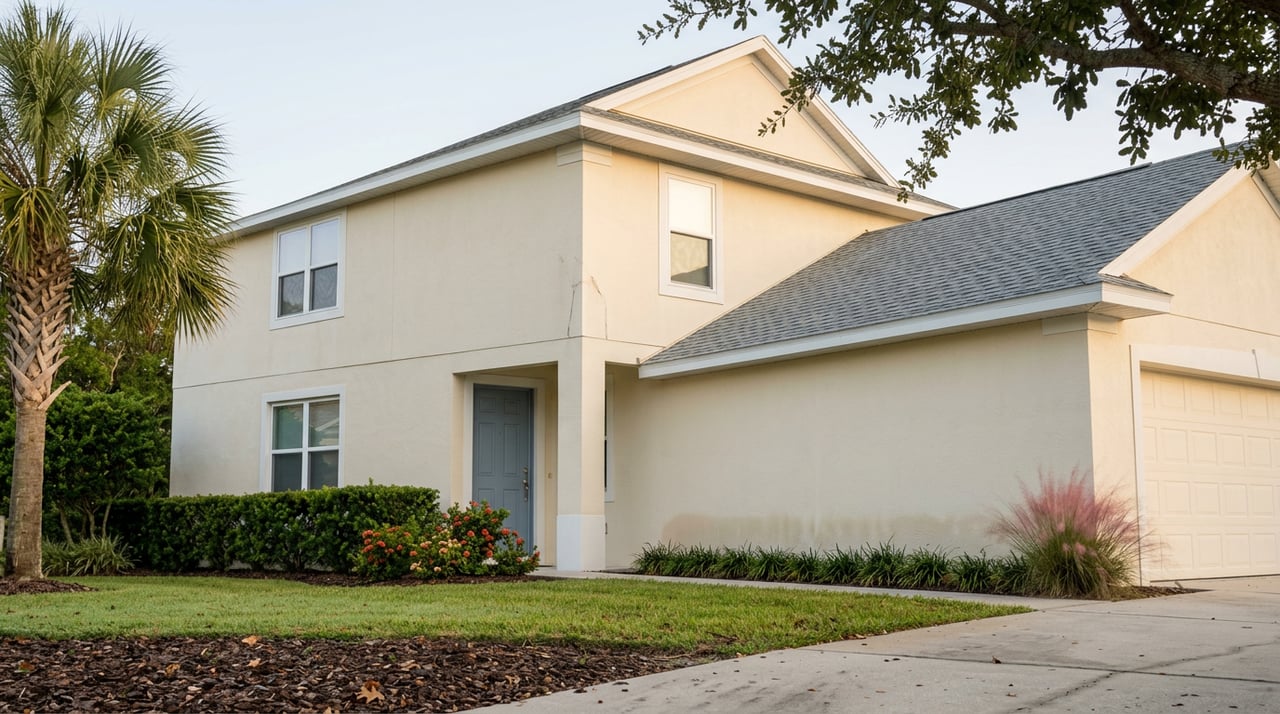
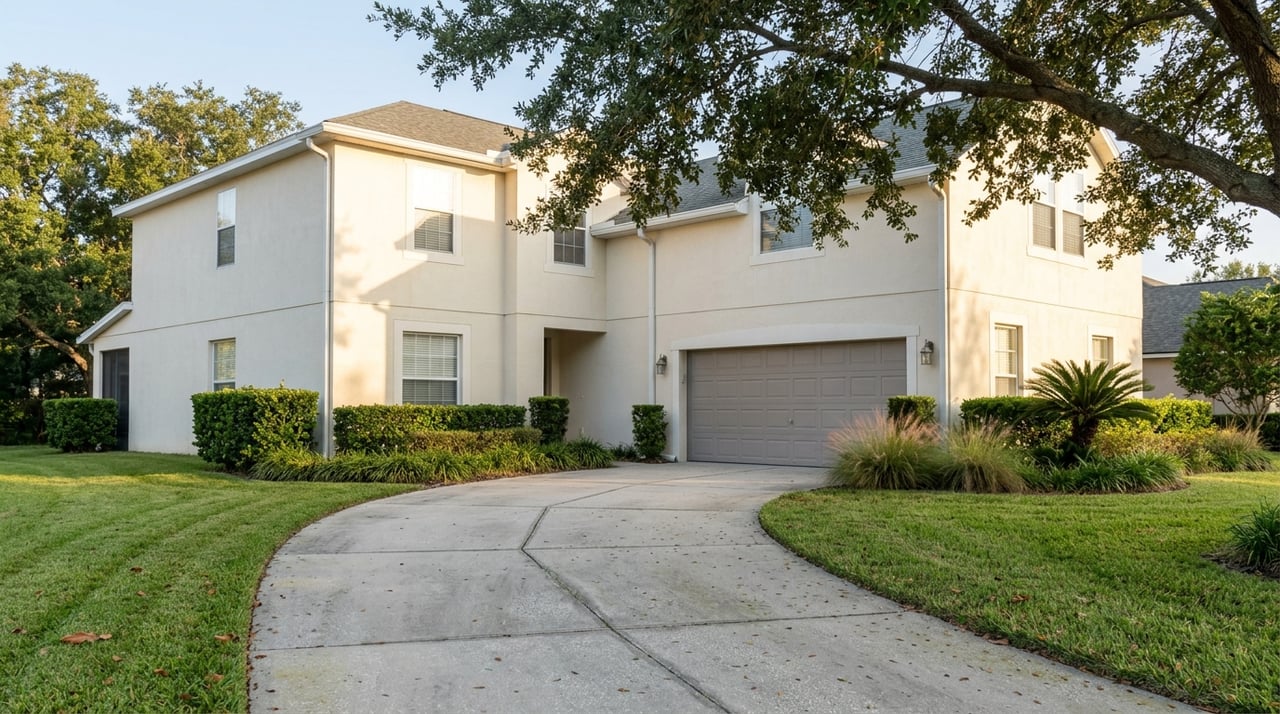
Detached family homes are standalone properties with no shared walls. They typically sit on larger plots of land, offering more privacy and outdoor space. These homes are most commonly found in suburban and rural settings.
Investment Considerations
Initial Cost and Affordability
Attached homes generally have lower initial costs due to shared construction expenses and smaller land plots. This makes them appealing to first-time buyers and investors with limited budgets.
Maintenance Costs and Responsibilities
Maintenance costs for attached homes may be lower, as exterior upkeep is often handled by homeowners’ associations (HOAs). Detached homeowners, on the other hand, are responsible for all maintenance, including landscaping and exterior repairs.
Appreciation Potential
Detached homes typically experience faster appreciation due to larger land sizes and greater privacy. However, well-located attached homes in desirable urban areas can also see strong appreciation over time.
Rental Income Potential

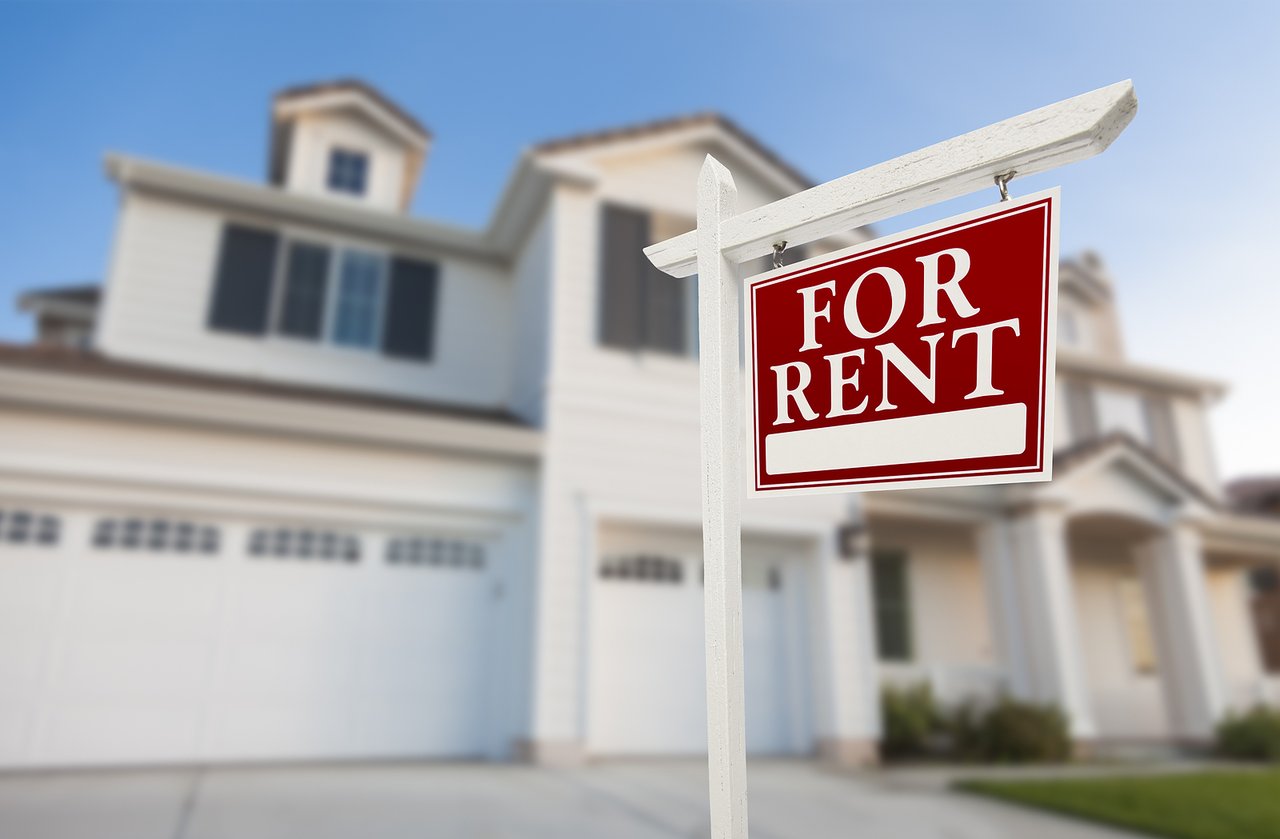
Detached homes often command higher rental rates due to their size and privacy. Attached homes, particularly in urban locations, can still generate substantial rental income when well-maintained and updated with modern amenities.
Market Trends
Current Market Trends
Attached homes are gaining popularity in urban areas where land is limited and demand for affordable housing is high. Detached homes remain strong in suburban and rural markets, especially among families seeking more space.
Historical Market Performance
Both attached and detached homes have historically demonstrated steady appreciation. Detached homes typically have a longer track record of higher appreciation due to land value.
Location and Environment
Urban vs. Suburban Preferences
Attached homes dominate urban areas because of their compact size and proximity to city centers. Detached homes are favored in suburban and rural locations for their larger lots and quieter surroundings.
Impact of Location on Property Value
Proximity to schools, shopping centers, and public transportation significantly impacts property value for both property types. Urban attached homes and suburban detached homes can command premium prices depending on location.

Neighborhood and Community Impact
Well-maintained neighborhoods with strong schools and community services enhance property values for both attached and detached homes. Community amenities play a vital role in attracting buyers and tenants.
Privacy and Lifestyle
Privacy Levels
Detached homes provide greater privacy as standalone properties with no shared walls. Attached homes offer reduced privacy due to closer proximity to neighbors.
Lifestyle Preferences
Buyers choosing between attached and detached homes often base decisions on lifestyle. Those prioritizing convenience and community may prefer attached homes, while buyers seeking space and privacy often choose detached homes.
Security and Safety
Security Considerations
Attached homes may benefit from shared security features in community developments. Detached homes allow for customized security measures such as fencing, cameras, and alarm systems.
Safety Features
Both property types benefit from local safety services like police and fire departments. Community safety initiatives can enhance desirability and resale value.
Financing and Tax Considerations
Financing Options
Financing options are generally similar for both attached and detached homes. Loan terms depend on location, market demand, and property condition.
Tax Implications
Property taxes, mortgage interest deductions, and capital gains taxes apply to both property types. Buyers should consider these financial factors when evaluating investment potential.
Resale Value and Marketability
Factors Affecting Resale Value
Resale value is influenced by location, condition, and market trends. Well-maintained homes in desirable neighborhoods tend to retain or increase in value.
Marketability
Buyer preferences and market conditions determine how quickly properties sell. Urban attached homes and suburban detached homes attract different buyer demographics.
Expert Insights
Real Estate Agent Perspectives
Real estate agents provide valuable insight into buyer preferences, market trends, and investment strategies for attached versus detached homes.
Financial Advisor Insights
Financial advisors help investors evaluate real estate opportunities and maximize returns based on individual financial goals.
Frequently Asked Questions
What Are the Advantages of Buying an Attached Home?
Attached homes typically offer lower purchase prices and shared maintenance responsibilities, making them more affordable and convenient.
What Are the Drawbacks of Attached Homes?
Reduced privacy and potential noise from shared walls are common concerns, depending on construction quality.
Are Financing Requirements Different for Attached Homes?
Financing is similar to detached homes, though lenders may consider HOA rules, property condition, and location.
What Are the Benefits of Detached Homes?
Detached homes offer more privacy, space, and outdoor areas, making them ideal for families and long-term ownership.
What Should Buyers Know About Maintenance Costs for Detached Homes?
Detached homeowners are responsible for all maintenance and repairs, which can increase costs but offer greater control.
Conclusion
Choosing between attached and detached homes involves evaluating financial considerations, lifestyle preferences, and market trends. Both property types offer distinct advantages for buyers and investors.
Ultimately, the best choice depends on personal priorities and long-term investment goals. Consulting with real estate professionals can provide clarity and help guide informed decisions.
Call to Action: For personalized real estate investment advice or to explore current market opportunities, connect with a trusted real estate advisor or financial planner.