Imagine yourself unlocking the door to your own tiny home, built with your hands, on a budget you could manage. It’s possible, you know. You can craft a cosy, eco-friendly, and functional space without draining your bank account. With careful planning, smart material choices, and clever design tricks, you can navigate the financial hurdles. But where should you start and what pitfalls should you avoid? Let’s engage in a discussion on: How to Build a Tiny Home Cheap—a space that encapsulates your dreams and fits your wallet. Shall we explore this together?
Understanding Tiny Home Basics
Before you dive into building your budget-friendly tiny home, it’s crucial to grasp the fundamentals of tiny home living. This includes understanding two key elements: tiny home legality and size limitations.
Firstly, you need to be aware that the legality of tiny homes varies by location.
Some areas may not permit tiny homes at all, while others might have specific zoning laws that dictate where you can build and live in your tiny home. Therefore, it’s essential to thoroughly research local laws and regulations before you begin planning your tiny home.
Secondly, size limitations are another crucial aspect. Tiny homes are, by definition, small, but the actual size can vary. While some people manage to live comfortably in a space as small as 100 square feet, others might require a little more room. Remember, the aim of tiny home living is to simplify your life, not to cram it into the smallest space possible.
Setting a Realistic Budget
After grasping the basics, it’s time to tackle the financial side of things by setting a realistic budget for your tiny home. You need to be aware of the budgeting pitfalls and prepare for unexpected expenses that may arise during the build.
To start, make a comprehensive list of all expected costs. This should include everything from the cost of the land, building materials, labor, to permits and utility setup. Always add a contingency amount to your budget, as unexpected expenses are a common part of any building project.
| Expected Expenses | Contingency Fund |
|---|---|
| Land Purchase | 10-15% of total cost |
| Building Materials | 10-15% of total cost |
| Labor | 10-15% of total cost |
| Permits and Utility Setup | 10-15% of total cost |
How To Build A Tiny Home Cheap: Selecting Affordable Building Materials
Choosing the right building materials can significantly reduce your costs without compromising on the quality or sustainability of your tiny home. One effective strategy is the usage of recycled materials. Not only does this cut costs, but it also aligns with the ethos of sustainability that many tiny home owners value.
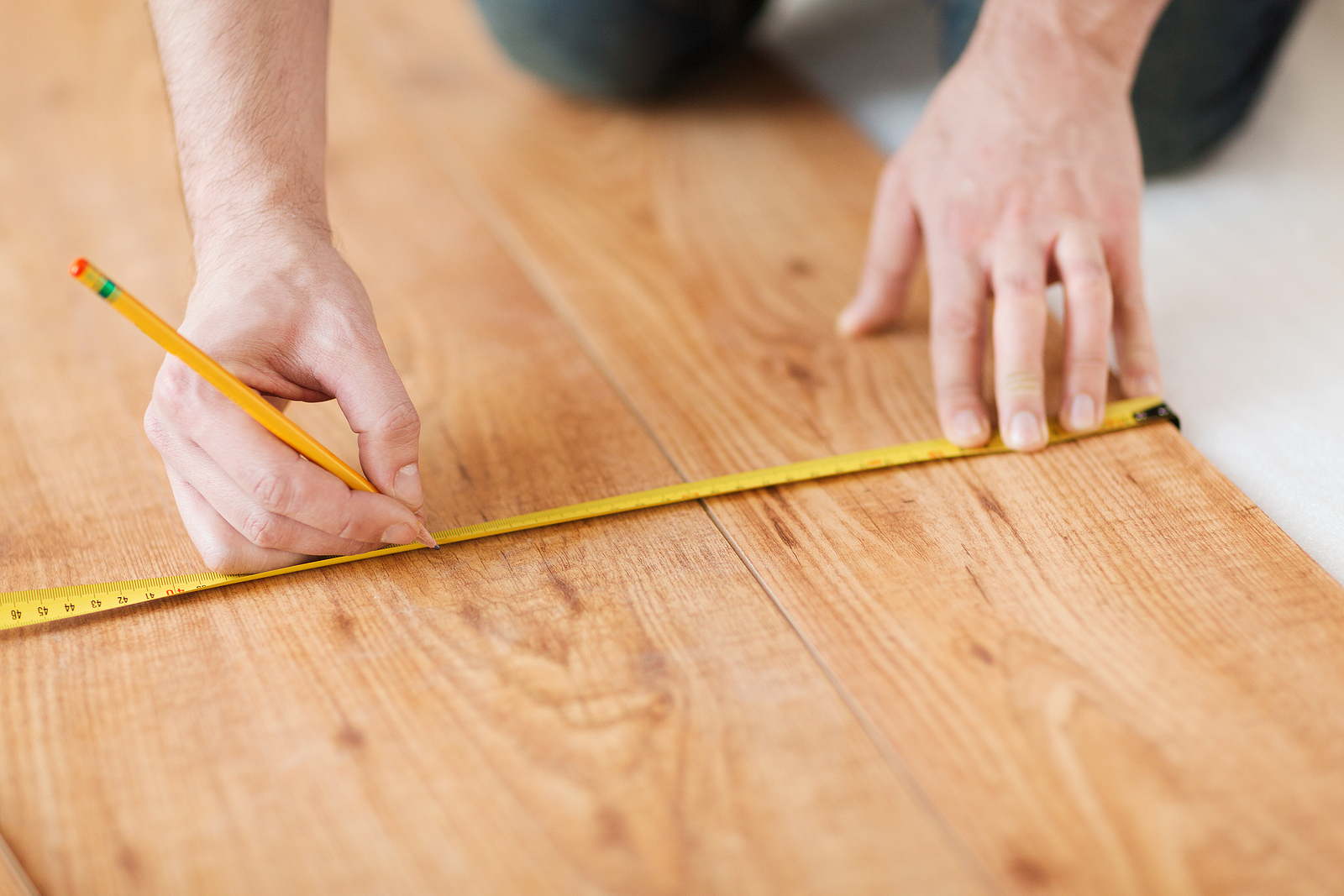
Look into the benefits of local sourcing too. Local materials cut out the cost of long-distance shipping and support your local economy. Using regional stone or wood, for instance, can add a touch of local flair to your design.
Lastly, consider the durability of your chosen materials. Cheap now doesn’t always mean cheap in the long run. Invest in materials that will withstand the test of time and weather.
Maximizing Space With Smart Design
When designing your tiny home, every inch counts. To maximize your space, consider innovative furniture that serves multiple purposes.
Innovative Furniture for Space
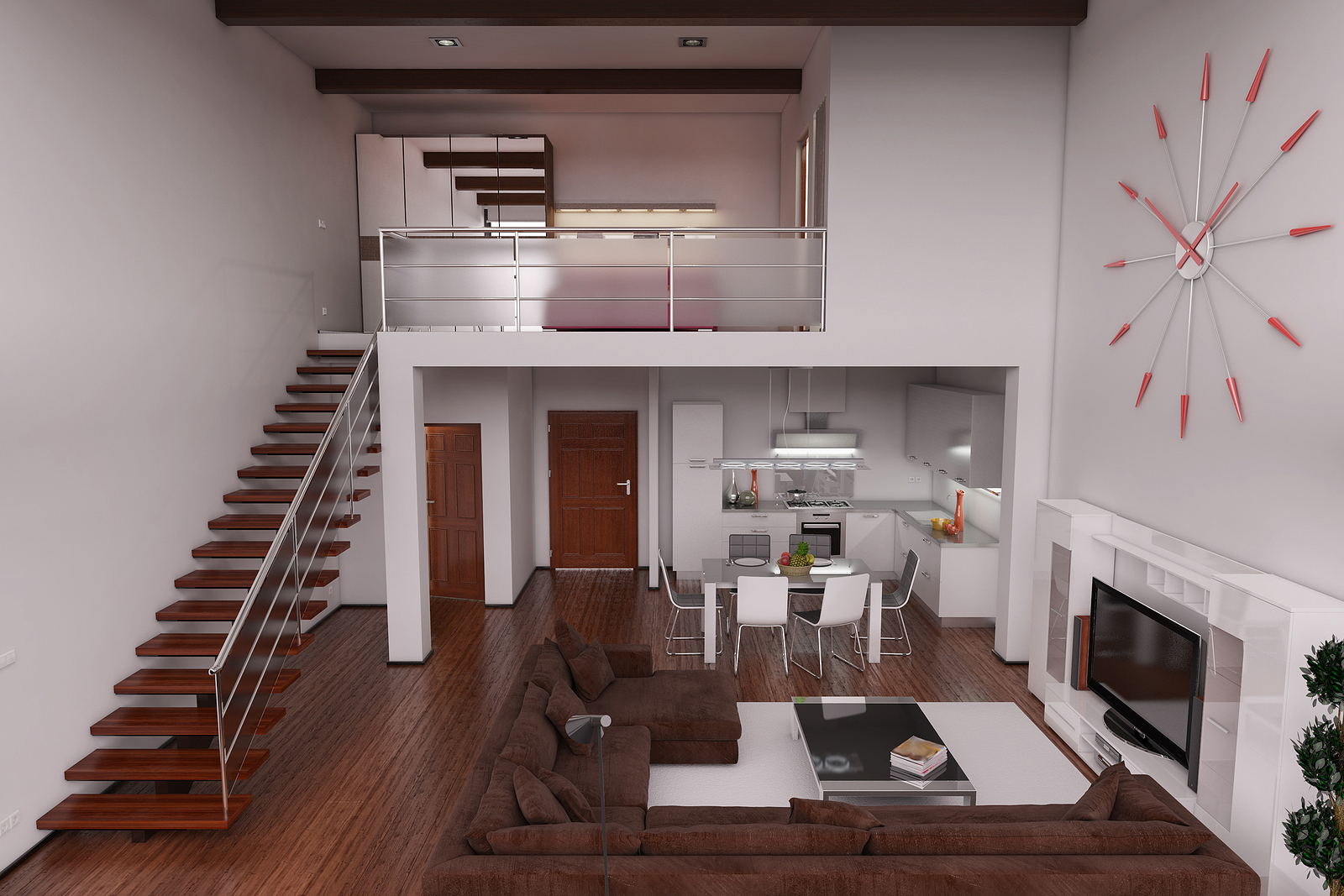
Furniture transformation techniques, such as convertible beds and foldable tables, can provide flexibility. Compact appliances like slimline fridges and washer-dryer combos can drastically reduce your kitchen footprint.
Multi-function Spaces Design
Designing multi-function spaces in your tiny home isn’t just a trend, it’s a smart way to make every square foot count. Thoughtful design allows your tiny home to feel much larger than it actually is.
Storage Solutions Optimization
- Hidden compartments: Furniture with built-in storage.
- Wall storage: Shelves, cabinets, and hanging organizers.
- Ceiling mounted racks: For seasonal or infrequently used items.
- Foldable furniture: Frees up space when not in use.
DIY Vs. Hiring Professionals
Evaluating Cost Differences
- Material Costs: DIY purchasing vs professional supply chains.
- Labor Costs: Time investment versus expertise.
- Equipment: Tool rental or ownership.
- Permits: Risk of fines or delays.
Pros of DIY
DIY saves money, builds skills, and gives full design control.
Cons of DIY
- Time commitment
- Lack of expertise
- Costly mistakes
- Permit and safety risks
Maintenance and Upkeep of Tiny Homes
Consider investing in Tiny Home Insurance to protect your investment.
Conclusion
How To Build A Tiny Home Cheap? Building your dream doesn’t have to be daunting. With thoughtful planning, smart design, and sustainable choices, it’s achievable.