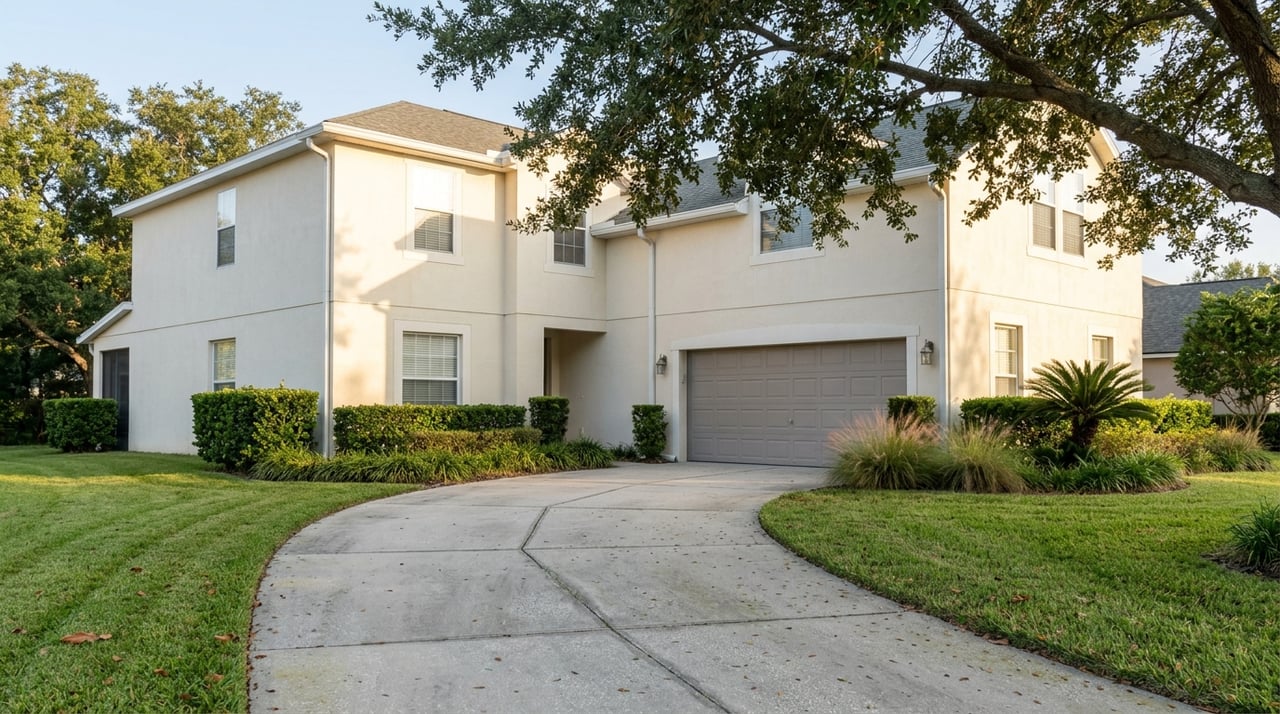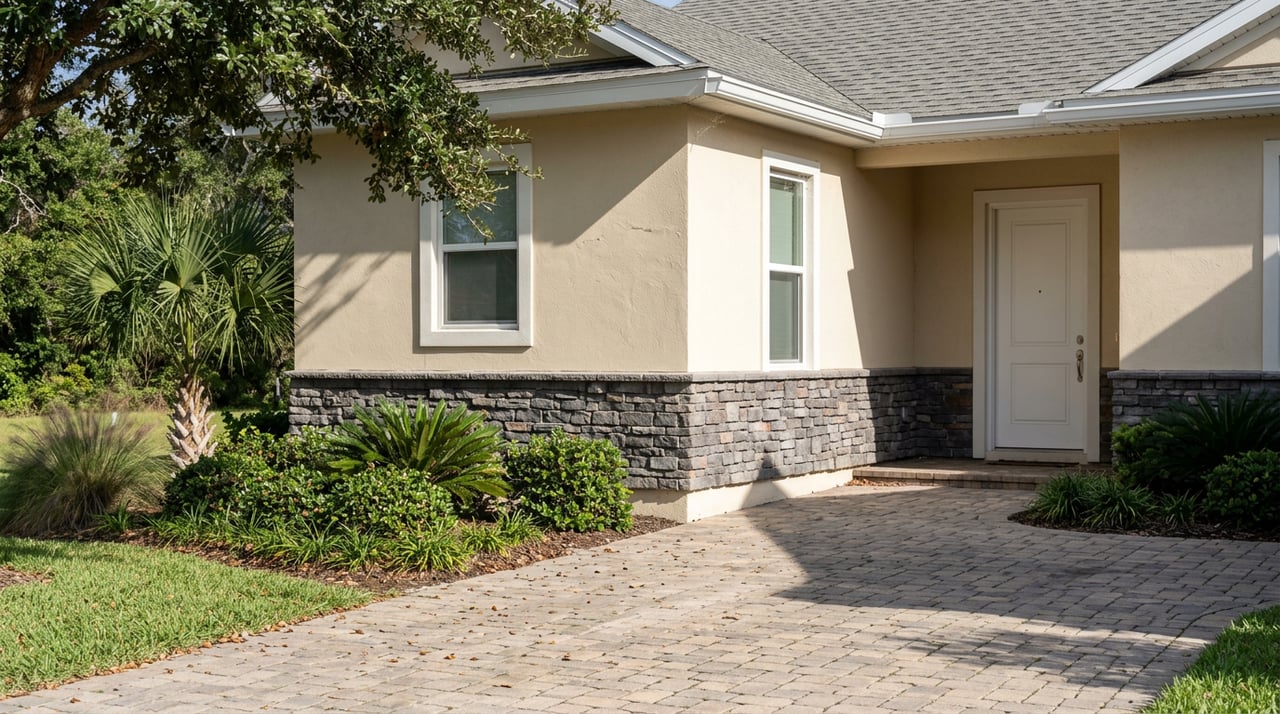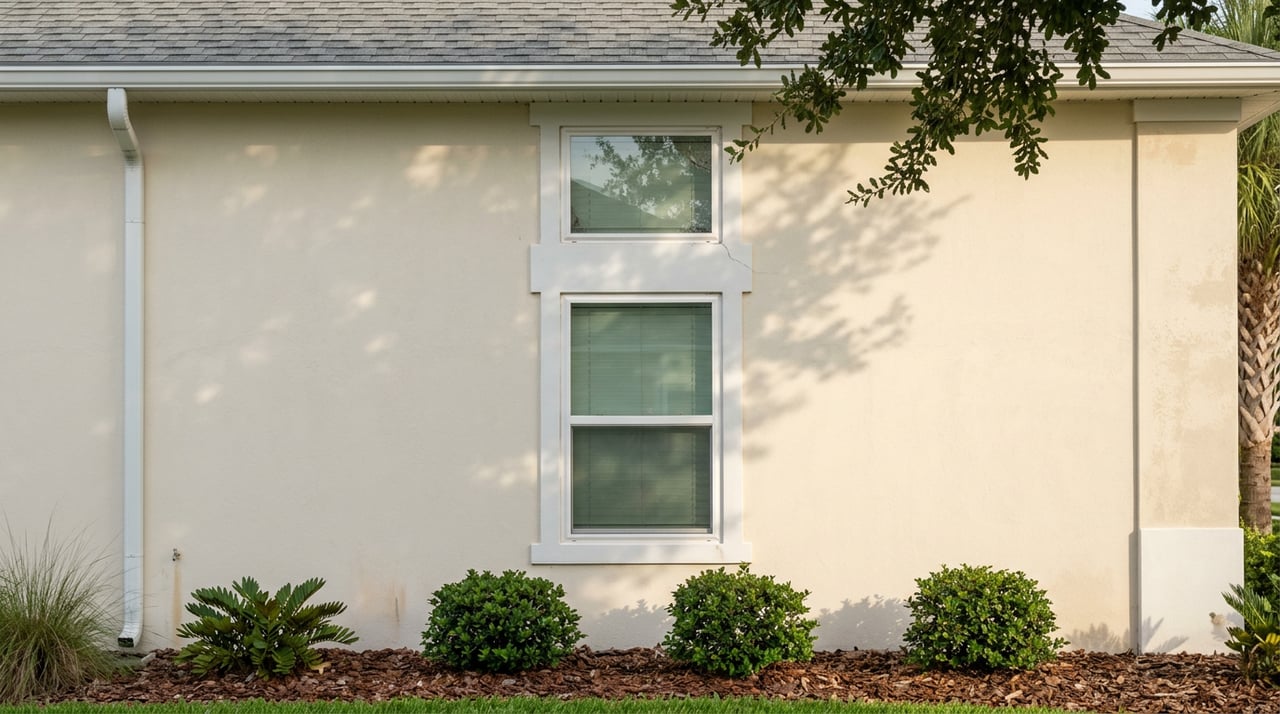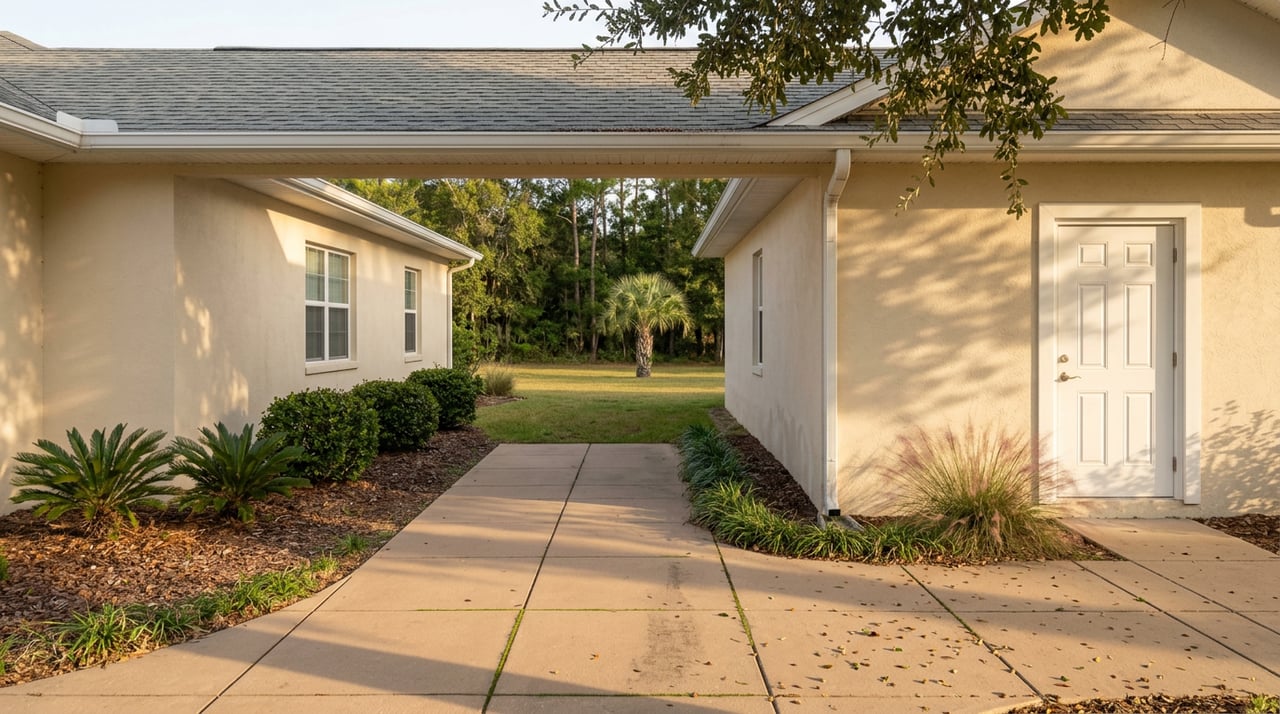
Scroll through active Lutz listings this summer and you'll notice a pattern in the remarks section. Sellers are now specifically calling out "septic drain field replaced 2025," "well pump updated," "new septic pump," right alongside the roof age and the HVAC install date. A few years ago that language barely showed up. Now it reads like a standard feature, the way granite counters or a screened lanai used to.
That shift tells you something. Buyers in this market have started screening for it, and sellers have started answering before anyone asks. But here's what most guides on this topic get wrong: the thing that actually stalls a Lutz closing on a well-and-septic property usually isn't a failing system. It's a paperwork clock nobody mentioned at the showing.
Well and septic isn't a Lutz-wide feature, it's a Lutz-specific patchwork
Lutz spans two counties, Hillsborough and Pasco, and the utility picture changes block by block depending on when a subdivision was built and whether a water main ever reached it. A meaningful share of Lutz homes still run on private well water and septic, particularly in the older village core, around the lakes, and on the rural acreage north and west of US-41. Properties built before Pasco County Utilities extended sewer and water mains down the road never got connected, and many still haven't been.
That geography matters for anyone comparing two Lutz listings that look similar on paper. Here's roughly how it breaks down based on build era and location:
| Area | Typical water source | Typical waste disposal | What to know |
|---|---|---|---|
| Historic village lots, lakefront around Lake Stemper and Lake Kell, acreage off Sunlake Boulevard and Crystal Lake Road | Private well | Septic | Predates utility extension in most cases |
| Cheval, Calusa Trace, Carpenter's Run (built 1985 to 1995) | Mixed well and municipal | Mixed septic and sewer | Concentrated polybutylene supply pipe from Tampa Bay's building boom |
| Stonebrier, Cordoba Estates (2000s and 2010s) | Municipal | Municipal | Entirely PEX or CPVC, no septic involved |
If you're touring homes across a few of these pockets in the same afternoon, you could be comparing a property on municipal everything to one with a well drilled 150 feet into the Upper Floridan Aquifer and a septic tank in the side yard. The listing photos won't tell you which is which. The utility disclosure will.
The part that actually delays closings
Florida has no statewide law requiring a septic inspection before a home sale changes hands. The Department of Health regulates septic systems, but it doesn't mandate a checkup at the point of transfer. In practice, that means the seller isn't obligated to prove the system works before listing.
FHA and VA financing changes that math completely. Both loan types require the appraiser to check the property for signs of septic failure, and if there's a private well, the water has to be tested and the results certified by the local health authority. That certification is only good for 90 days from the date it's issued. If your loan process runs long because of a rate lock extension, a title issue, or just underwriting backlog, that clock can run out before you close, and the whole test has to be redone.
This is the friction that catches people off guard. Not "does the well work," but "did the paperwork survive the loan timeline." A buyer using conventional financing might never touch this issue at all. A buyer using FHA or VA on the exact same house is on a 90-day countdown from the day the lab signs off.
There's a second layer to this that's specific to older Lutz lots. FHA guidelines require a minimum of 50 feet between a septic tank and any well on the property, and 75 to 100 feet for the drain field. On acreage that's been added onto over decades, with a well drilled after the original septic layout or a detached structure built near the property line, those setbacks aren't automatic. An appraiser who flags a distance problem can stop an FHA or VA loan cold until it's resolved, and resolving a setback violation is a different conversation than pumping a tank.
What an inspection in this market actually costs and finds
Septic inspection costs for Florida sales generally run from roughly $250 up to $900, with the spread driven by how hard the tank is to locate and whether the inspector has to dig for it. A combined well and septic inspection typically lands between $400 and $650, and if you need a full lab water panel for bacteria and nitrates on top of that, add another $100 to $350.
Locally, this work goes to specialists rather than general home inspectors. Quality Septic, a family-owned company on Myrtle Ridge Road that's served Lutz since 1994, and Tampa Septic both work this specific patch of Hillsborough and Pasco regularly, and both describe Lutz's sandy loam and limestone terrain as its own set of septic quirks compared to denser parts of the county. Titan Plumbing and Electric, which has served the Lutz and Land O' Lakes corridor since 1994, points out that Lutz wells typically run 100 to 250 feet into the Upper Floridan Aquifer with a submersible pump, and that older 2-inch jet pump setups are increasingly hard to find replacement parts for, which is worth knowing if a home you're considering still has one.
A well-maintained riser signals to observant buyers that the system has been cared for, while a buried tank lid the inspector can't access often gets noted as "access not available," which makes buyers nervous even when nothing is actually wrong.
That single detail, whether the tank lid is exposed or buried, changes how a buyer's inspector writes up an otherwise fine system. Installing risers ahead of a listing runs about $200 to $400 and removes that ambiguity entirely.
The pipe problem that has nothing to do with septic
If you're looking specifically at Cheval, Calusa Trace, or Carpenter's Run, there's a separate issue worth flagging that isn't about water or waste at all. Tampa Bay built heavily with polybutylene supply pipe from 1978 through 1995, and these three subdivisions sit right in that window. That's a plumbing conversation worth having with your inspector alongside the septic and well questions, since it's a different system with its own repair history. Homes in Stonebrier and Cordoba Estates, built in the 2000s and 2010s, are entirely PEX or CPVC and don't carry this concern.
Why the county isn't going to solve this for you soon
Hillsborough County does run a septic-to-sewer conversion program, but as of now it's focused on Ruskin, Wimauma, and the University Area between Fowler Avenue and Bearss Avenue, not Lutz. If you're buying a well-and-septic property here hoping the county will eventually foot the bill for a sewer connection, that's not the current trajectory. Plan around the systems you have, not the ones you're hoping for.
What this means if you're selling
- Schedule a pre-listing septic inspection and pump-out two to four weeks before you list. It typically runs $400 to $800 and lets you find problems on your own timeline instead of the buyer's.
- Locate and expose your tank lids now. A buried lid costs you credibility during a buyer's inspection even when the system underneath is fine.
- Pull your permit file from the county health department, including the original installation permit and any repair history, so it's ready the first time a buyer's agent asks.
- Fix small things early. A cracked baffle costs around $200 to repair before listing. The same issue found during a buyer's inspection can become a renegotiation point worth $2,000 or more.
What this means if you're buying
- Ask which financing you're using before you fall in love with a well-and-septic property. FHA and VA buyers face mandatory mechanical checks that conventional buyers may never trigger.
- Order your well and septic inspection early in the contract period, not the week before closing, so there's room to redo a water test if your timeline slips past 90 days.
- If the lot has been added onto over the years, ask specifically about the distance between the well, the septic tank, and the drain field. Don't assume it meets current setback rules just because the system works.
- Budget for a full water panel, not just a flow test, especially on lakefront or acreage lots where nitrate levels can run higher.
A few quick answers
Does Florida require a septic inspection before I can sell my home? No. There's no statewide mandate. Most buyers request one anyway, and FHA and VA lenders require one as part of the loan.
How long is a well water test good for? Ninety days from the date the local health authority certifies it. If your closing slips past that window, expect to retest.
Will Hillsborough County eventually connect my Lutz property to sewer? Not based on current programming. The county's active septic-to-sewer conversion work is centered on Ruskin, Wimauma, and the University Area, not Lutz.
If you're weighing a well-and-septic property in Lutz against something on municipal utilities, or you're getting ready to list one and want to know exactly what to fix first, I'd rather walk the property with you than have you find out the hard way during underwriting. I've helped enough buyers and sellers through this exact situation to know where the real delays hide. When it's time to buy or sell, call Shell! Reach out through Shells Florida Realty and let's talk through your specific lot before it becomes a surprise on someone's appraisal report.